
The Lymphatic Reset: 7 Evidence-Backed Ways to Reduce Inflammation and Puffiness
The Wellness Rituals and Recovery Practices Shaping Lymphatic Health in 2026
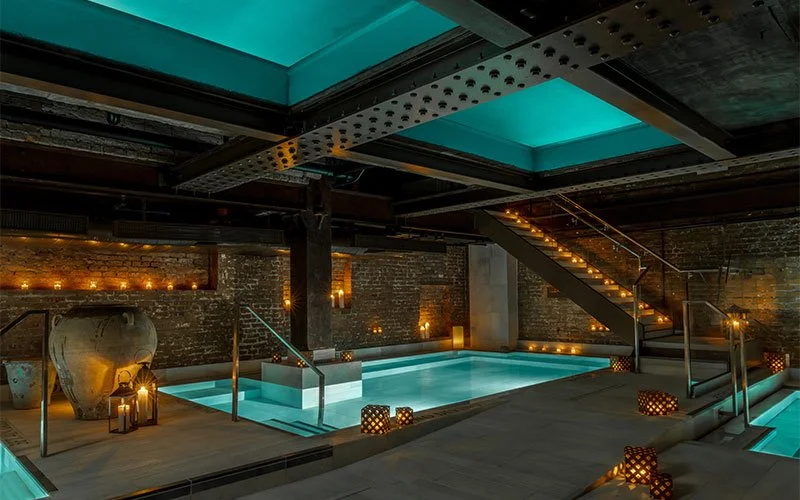
Photo courtesy: AIRE Ancient Baths
Somewhere between the rise of facial massage tutorials and the collective obsession with depuffing, the lymphatic system became the quiet star of modern wellness. What was once a medical footnote is now at the center of spa menus, recovery routines, and beauty conversations — not because it’s new, but because people have finally started paying attention to how their bodies actually move, drain, and recover.
The lymphatic system doesn’t announce itself. It doesn’t have a pulse or a dramatic function you can feel in real time. Instead, it works in the background, filtering waste, regulating fluid, and supporting immune function. When it’s moving well, most people don’t think about it at all. When it’s sluggish, the signs are subtle but familiar: puffiness, inflammation, heavy limbs, slow recovery, a general sense that the body feels slightly off.
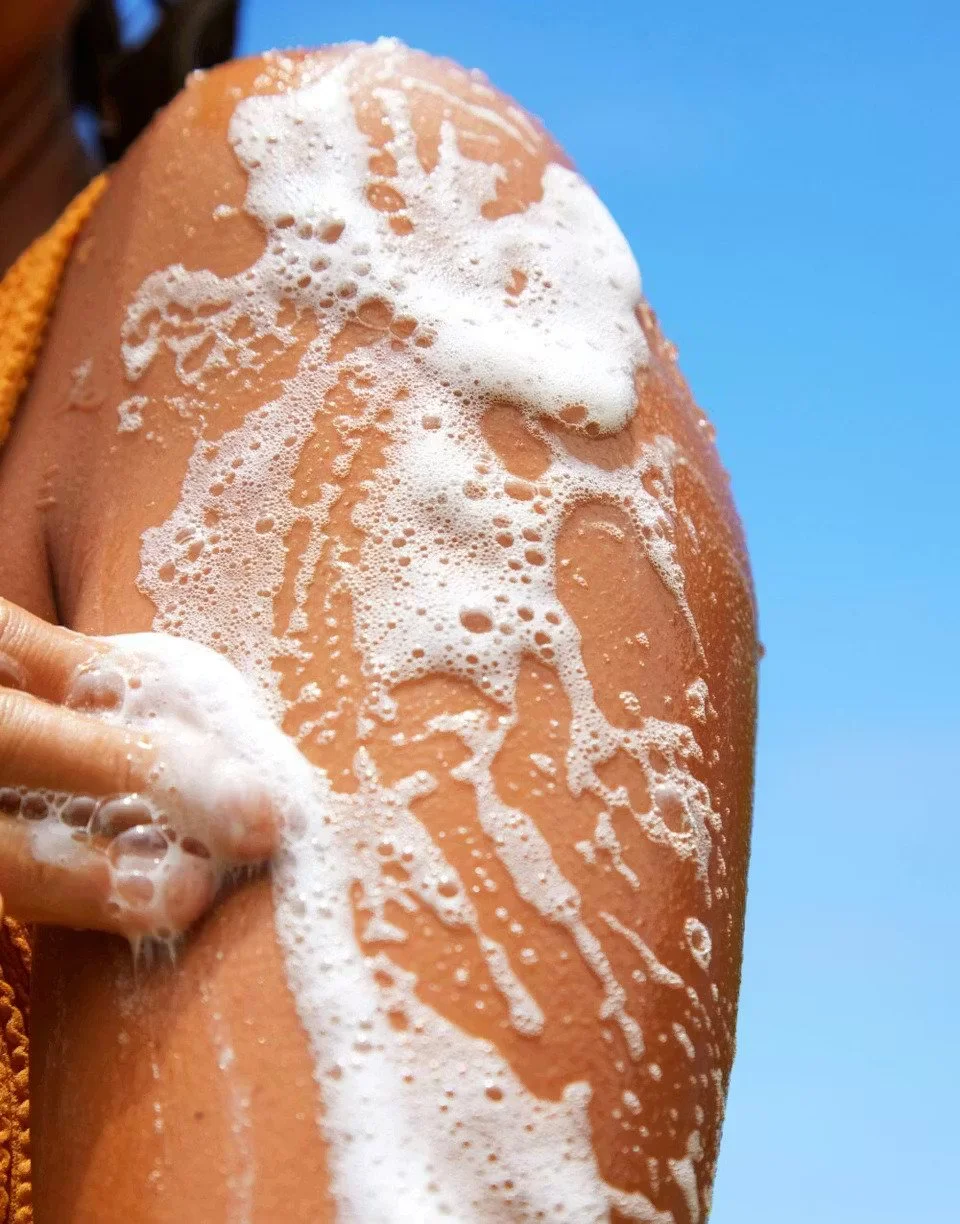
Photo courtesy of Osea Malibu
What’s interesting about the lymphatic reset isn’t that it promises dramatic transformation. It’s that it reflects a broader shift in wellness culture — away from instant results and toward internal systems. People are less interested in masking symptoms and more interested in understanding why they exist in the first place.
Facial massage and gua sha have become the most visible entry points into lymphatic care, largely because they offer something tangible: reduced swelling, clearer contours, a sense of immediate lightness. But their real appeal is psychological. They represent a slower, more tactile approach to beauty — one rooted in touch, repetition, and ritual rather than products or procedures.
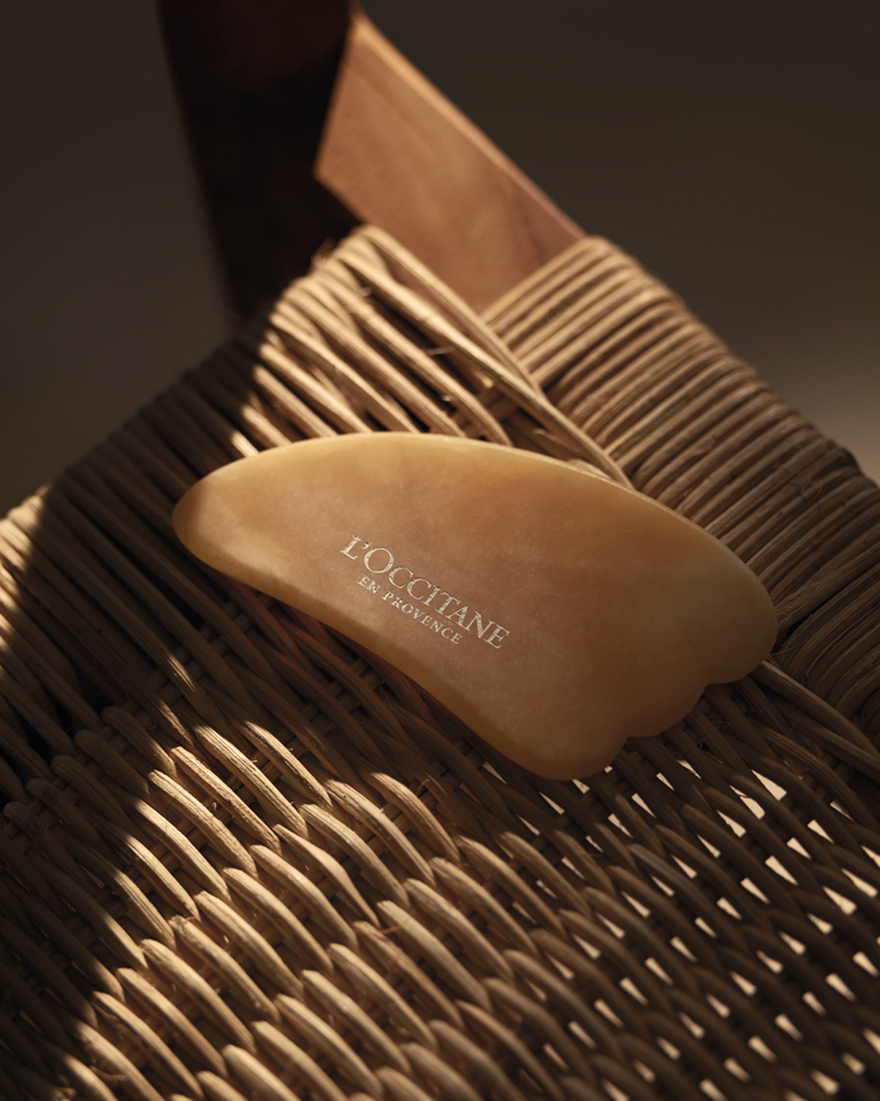
Photo courtesy of L’occitane
Dry brushing follows the same logic. Once dismissed as an old-school habit, it’s been reframed as a way to support circulation while creating a moment of daily body awareness. The practice itself is simple, but the appeal lies in its consistency. The lymphatic reset isn’t about intensity — it’s about small actions that accumulate quietly over time.
Movement plays a more foundational role than any tool. Walking, stretching, gentle strength training — all of it encourages lymph flow simply by engaging the muscles that move fluid through the body. In this sense, lymphatic health overlaps with almost every other wellness conversation: mobility, recovery, inflammation, even mood regulation.
Luxury wellness spaces have leaned fully into this narrative. Hydrotherapy circuits, massage-focused treatments, and recovery lounges now center around circulation and nervous system regulation rather than aesthetic outcomes. The emphasis is no longer on how the body looks after treatment, but on how it feels — lighter, calmer, less reactive.
What makes the lymphatic reset resonate in 2026 is its restraint. It doesn’t promise optimization, transformation, or performance. It offers something quieter: maintenance. Regulation. A way to support the body’s existing systems rather than override them. In a culture increasingly exhausted by extremes, the appeal of lymphatic health is its subtlety.
It’s not a trend built on before-and-after photos. It’s built on the idea that wellness doesn’t have to be dramatic to be effective — sometimes it just has to move.