
The Case for Cooking With Fewer, Better Ingredients
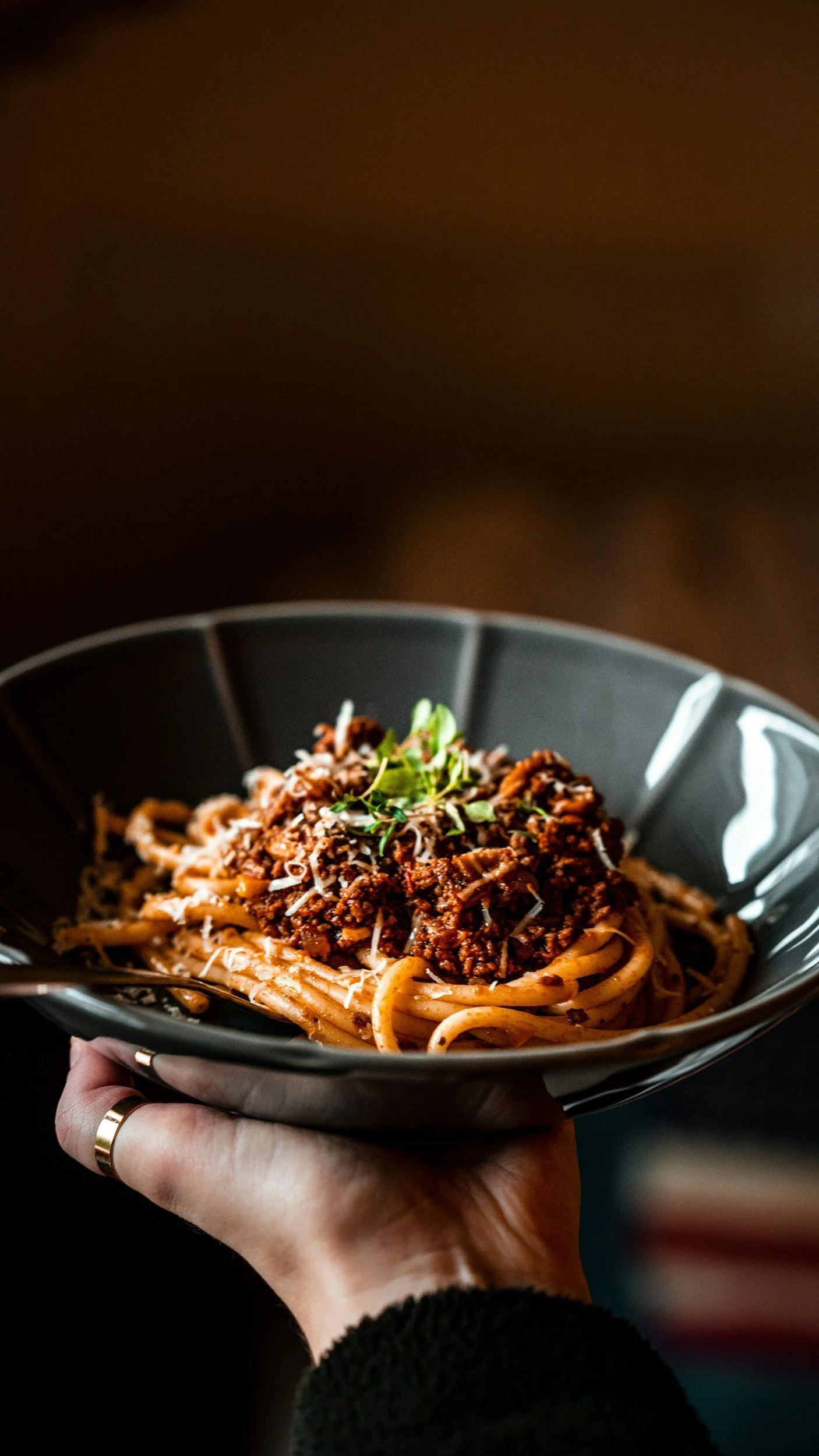
Simplicity, when chosen deliberately, becomes a marker of taste—seen here through ingredients allowed to hold their own.
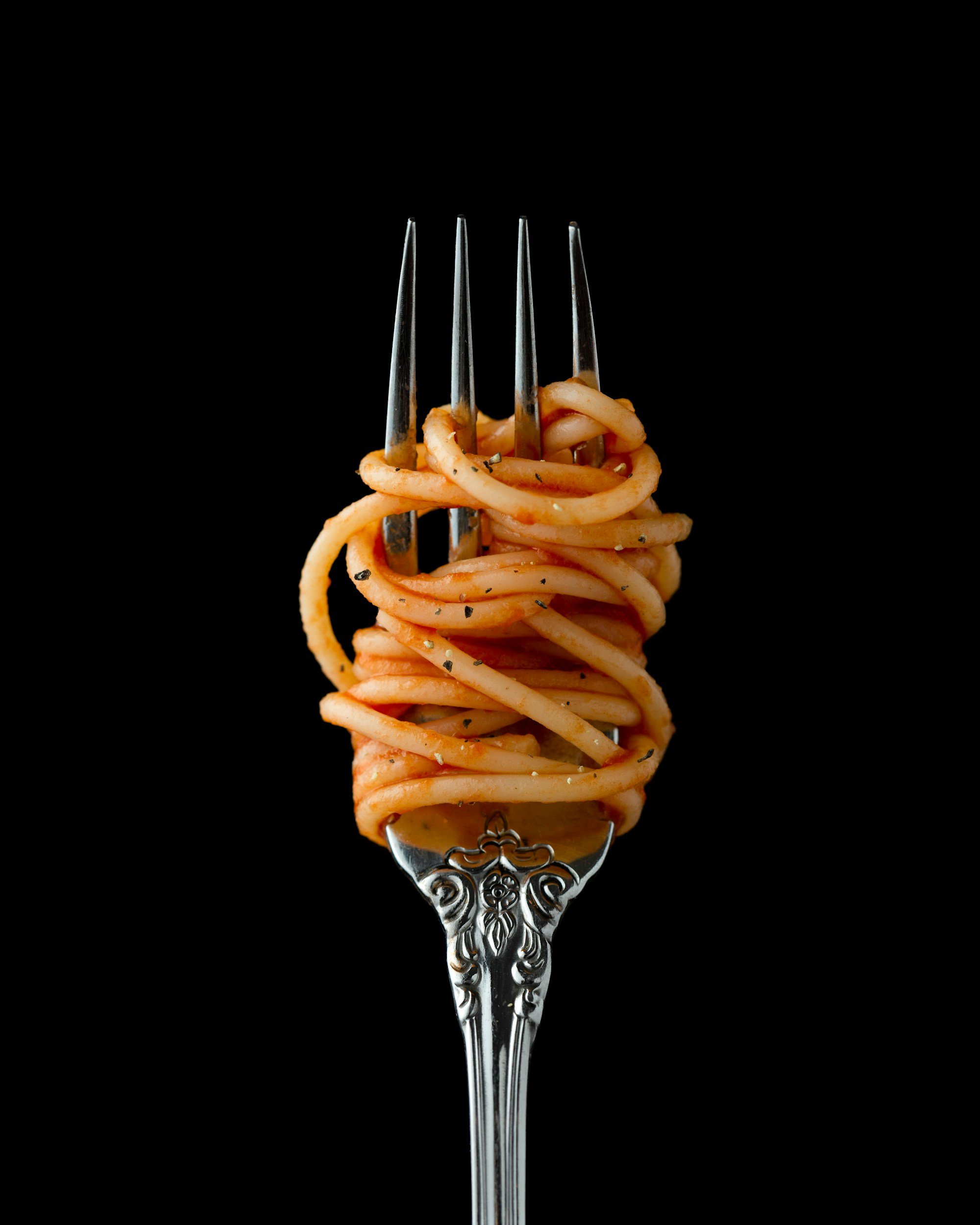
There is a particular kind of sophistication that appears when nothing is trying too hard.
In food, it shows up most clearly when a single ingredient is allowed to speak without interruption. Not as a concept, not as a gesture, but as the point itself. A carrot softened slowly in butter. Radishes eaten cold with salt. Bread torn and dipped into olive oil that tastes unmistakably of fruit and bitterness. These are not unfinished ideas. They are resolved.
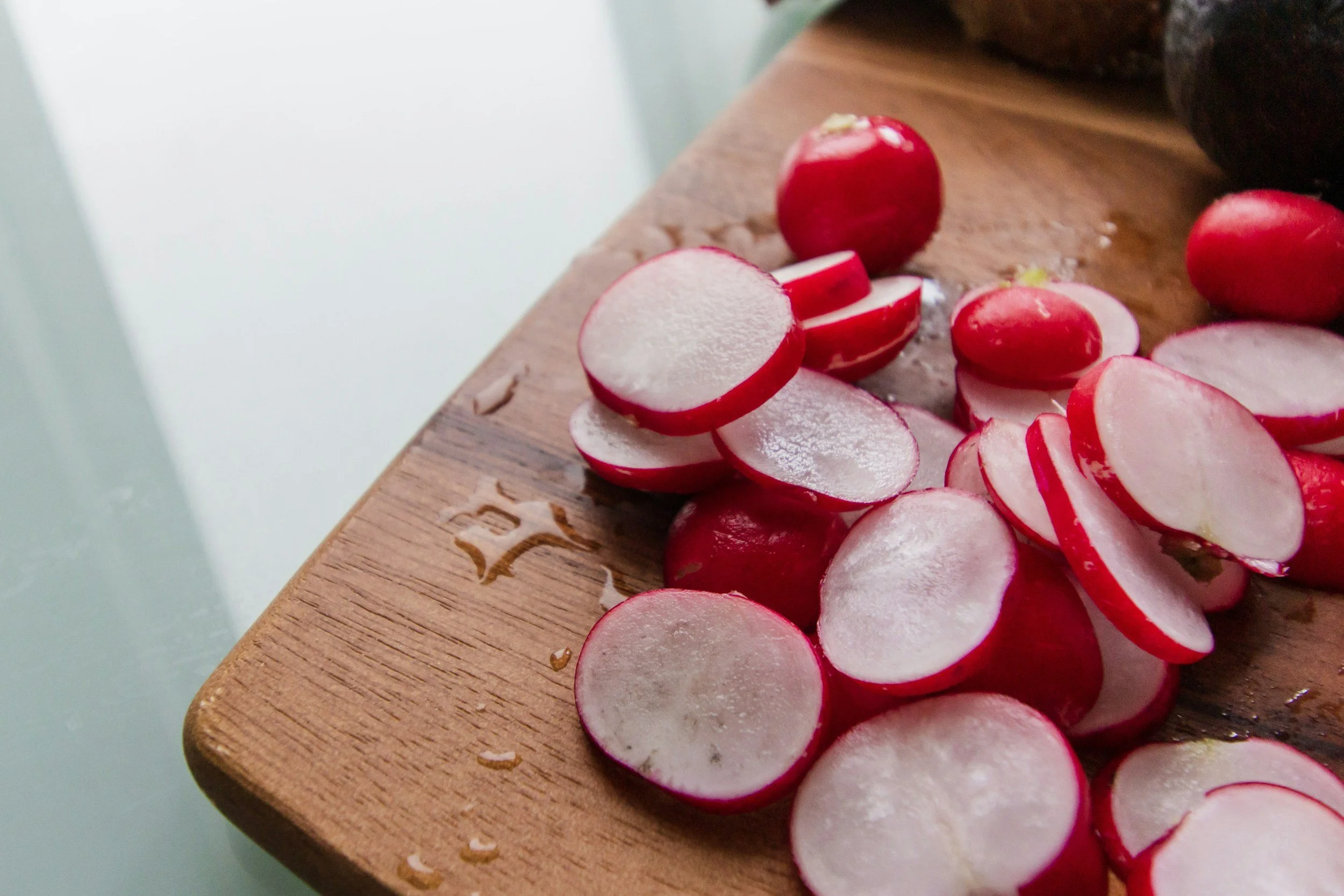
Much of contemporary food culture moves in the opposite direction. Recipes accumulate components. Technique becomes performance. Flavor is layered until it becomes difficult to identify what is actually being tasted. The result can be impressive, but it is often exhausting. For the cook, for the diner, for the palate.
The appeal of singularity is not about nostalgia or minimalism. It is about authority. Choosing to do less assumes the ingredient is worthy of attention. It places value on discernment rather than display. Nothing is hidden. Nothing is disguised. What is present must hold its own.
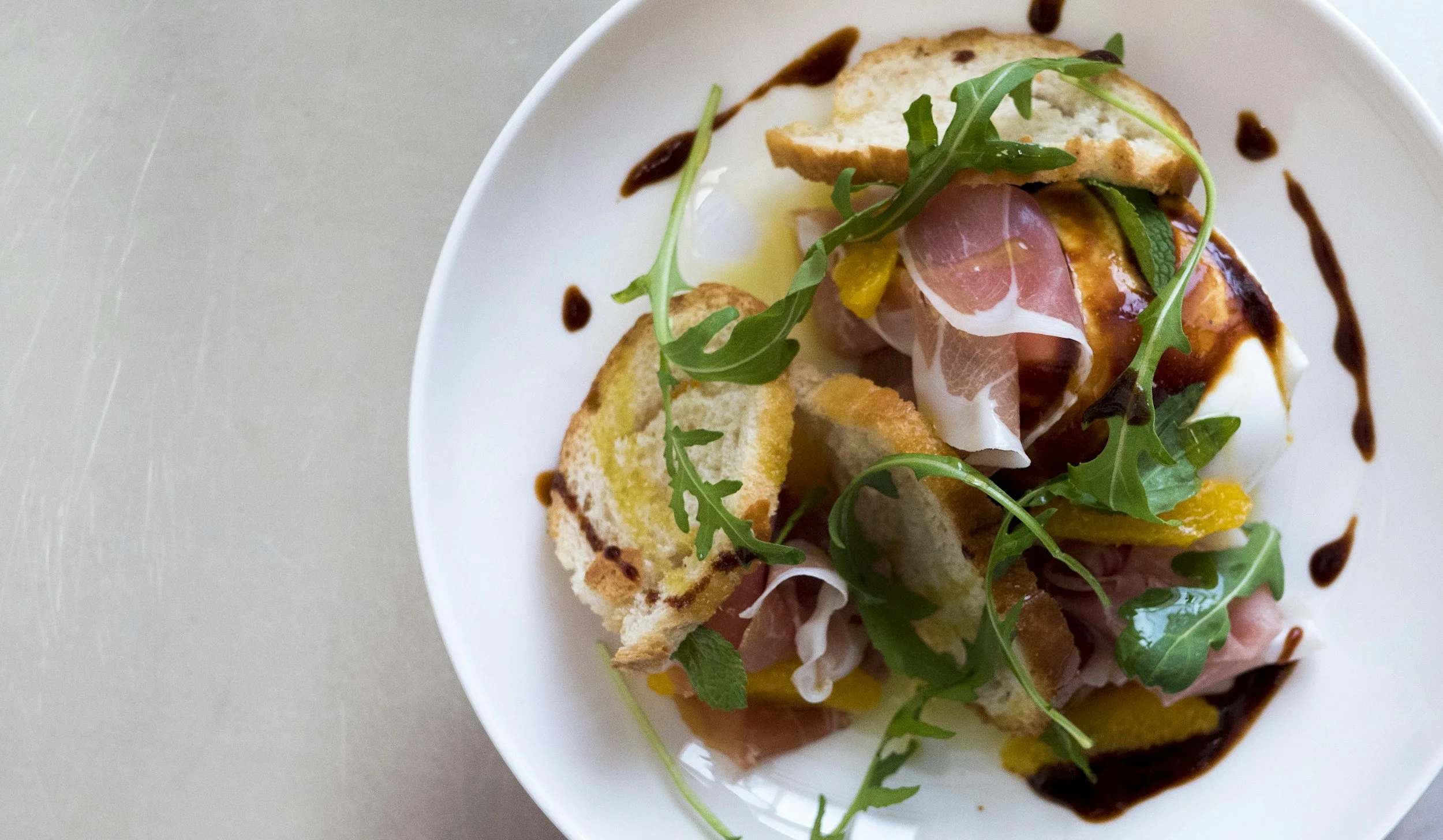
This way of cooking sharpens perception. When there is nowhere for flavor to hide, taste becomes clearer. Butter reveals its sweetness. Vegetables show their bitterness or sugar. Oil announces its origin. Eating becomes less about interpretation and more about recognition.
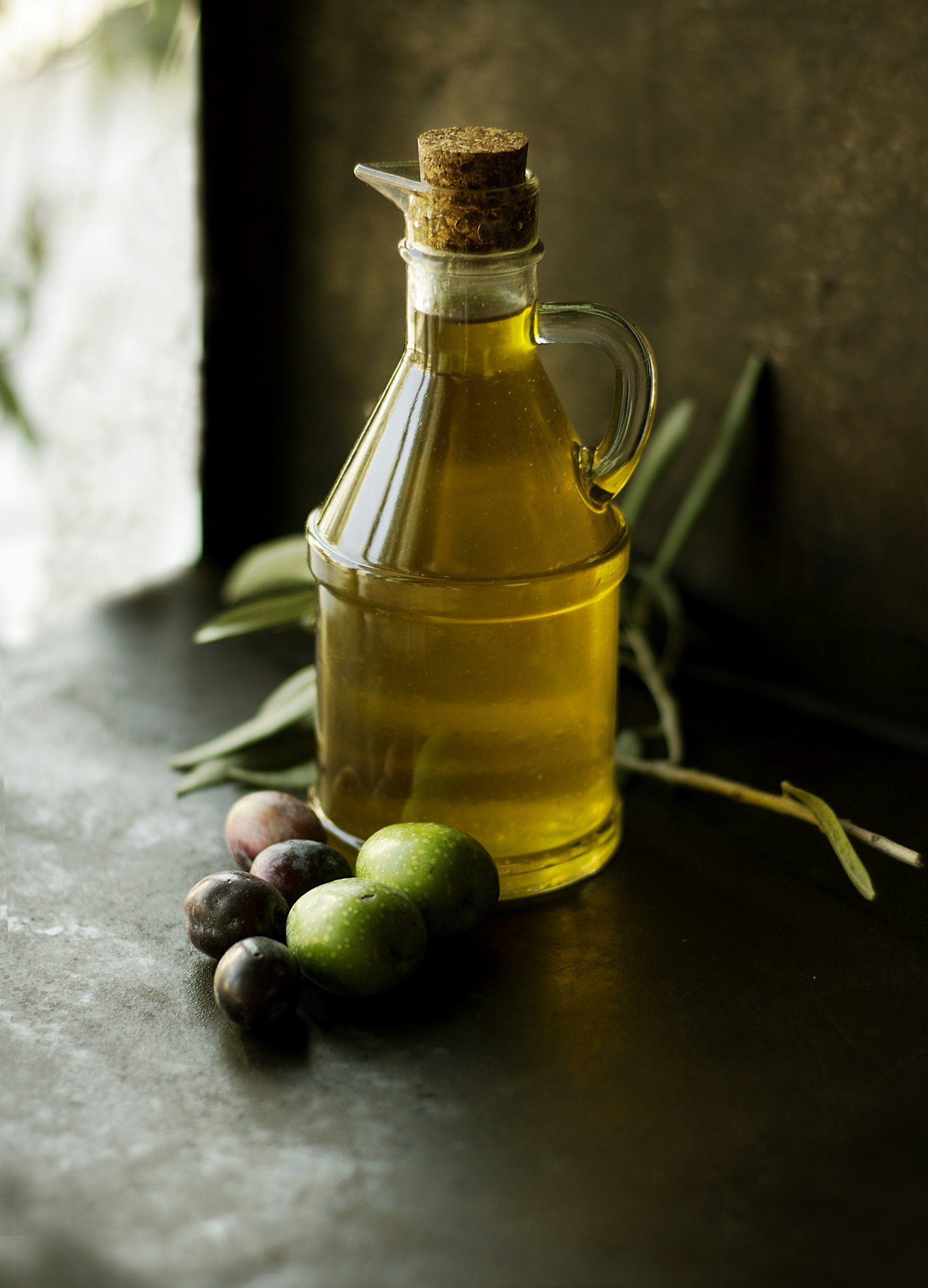
There is also an elegance in how this approach fits into modern life. Fewer ingredients mean fewer decisions, fewer purchases, fewer steps between thought and action. Meals come together without friction. The kitchen stops feeling like a site of obligation and starts to feel intuitive again.
Allowing singular ingredients to shine is not a rejection of modern cooking or ambition. It is a reminder that refinement often appears at the beginning, not the end. When the foundation is strong, intervention becomes unnecessary.
This kind of simplicity is not casual. It is exacting in its own way. It requires knowing which ingredients deserve to be left alone. It requires taste.
In a moment defined by excess, returning to the essential is not a retreat. It is a recalibration. One that brings food back to its most compelling state—direct, confident, and quietly complete.
