
Why digestive wellness is now central to how we think about energy, immunity, and long term health
Not long ago, gut health lived on the margins of wellness culture. It was something you thought about only when something felt wrong — bloating, discomfort, low energy, or a vague sense that your body wasn’t quite working the way it should. In 2026, that mindset has shifted. Digestive health is no longer reactive. It’s foundational.
The modern conversation around the gut is less about fixing symptoms and more about understanding systems. The microbiome — the vast network of bacteria living in the digestive tract — is now recognized as central to immune function, inflammation, mood, and cognitive clarity. In other words, digestion is no longer viewed in isolation. It’s tied to how the entire body regulates itself.
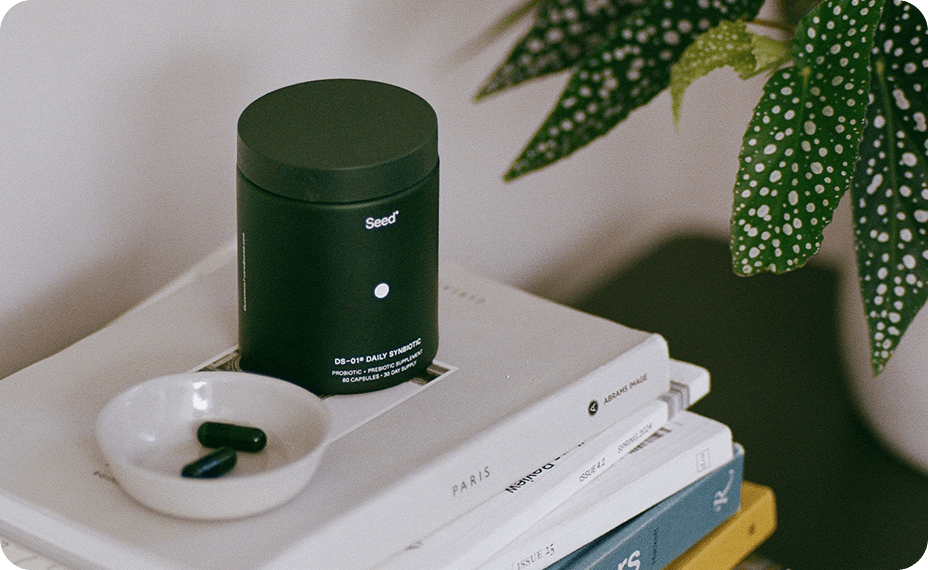
Photo Courtesy: Seed
What makes Gut Health 2.0 different from earlier wellness waves is the move beyond probiotics as a one-size-fits-all solution. While probiotic supplements remain popular, they’re now seen as just one piece of a larger picture. Prebiotics — the fibers that feed beneficial bacteria — and postbiotics — the compounds produced by those microbes — have entered the conversation, reframing gut health as something that needs ongoing support rather than quick intervention.
Fermented foods have also returned to the spotlight, not as trends but as functional staples. Kimchi, kefir, yogurt, miso, and kombucha offer a way to support digestion through everyday habits instead of isolated resets. The emphasis has shifted toward consistency and diversity, encouraging routines that nourish the microbiome over time.

Photo Courtesy: gtslivingfood
Luxury wellness culture has mirrored this systems-based approach. Brands focused on digestive health now emphasize formulation transparency and long-term balance rather than immediate results. Platforms like Seed Health, Ritual, and Sakara Life reflect a broader move toward gut health as a lifestyle framework — one that integrates food, supplementation, and daily rituals into a cohesive approach.
What’s notable about the renewed focus on digestion is how quietly it’s taken hold. There’s no dramatic transformation culture around gut health, no aesthetic markers that signal success. Its appeal lies in subtle shifts: steadier energy, improved immunity, and a stronger sense of internal balance.
In a wellness landscape increasingly oriented toward longevity, gut health has become less of a trend and more of an anchor — the invisible infrastructure behind how the body functions, and one of the most relevant foundations of modern health.