
The daily habits shaping sleep quality, energy levels, and emotional balance in 2026.
At some point over the last few years, wellness stopped being about adding more and started becoming about timing. More steps, more supplements, more routines — all slowly gave way to a quieter realization: when you do things matters just as much as what you do. That shift is what brought circadian rhythm out of sleep science and into everyday wellness culture.
Circadian rhythm is simply the body’s internal clock — a 24-hour cycle that governs when we feel alert, when we feel tired, how hormones are released, and even how digestion and body temperature fluctuate throughout the day. It’s an ancient system, shaped by light and darkness long before modern schedules existed. The problem, of course, is that modern life barely acknowledges it.
Artificial lighting, late-night screens, irregular work hours, constant stimulation — all of it blurs the signals the body relies on to regulate itself. The result is a generation that feels perpetually tired while struggling to fall asleep, overstimulated yet under-rested. In that context, circadian optimization feels less like a trend and more like a correction.
What’s changed is how people approach sleep itself. Instead of treating it as a single event — something that happens at night and exists in isolation — circadian health reframes sleep as the outcome of an entire day. Morning light exposure has become one of the most discussed habits, not for its novelty but for its simplicity. A short walk outside early in the day can help reset the body clock more effectively than most nighttime interventions.

Evening routines have taken on a similar role. Softer lighting, fewer screens, lower stimulation — these cues signal to the nervous system that it’s time to shift out of performance mode. The goal isn’t strict discipline or aesthetic “night rituals,” but creating an environment where rest feels natural rather than forced.
Meal timing and movement quietly reinforce the same pattern. Eating at consistent intervals and avoiding heavy late-night meals supports metabolic rhythm, while regular physical activity helps anchor energy cycles. None of this is extreme. In fact, the appeal of circadian optimization is how understated it is. It relies on awareness more than effort.
Luxury wellness culture has mirrored this shift toward rhythm-based health. Sleep technology, biometric tracking, and light-based devices now focus on alignment rather than enhancement. Platforms like Hatch, Oura, and Eight Sleep reflect a broader cultural move toward treating sleep as a performance metric — something to be supported, measured, and protected.
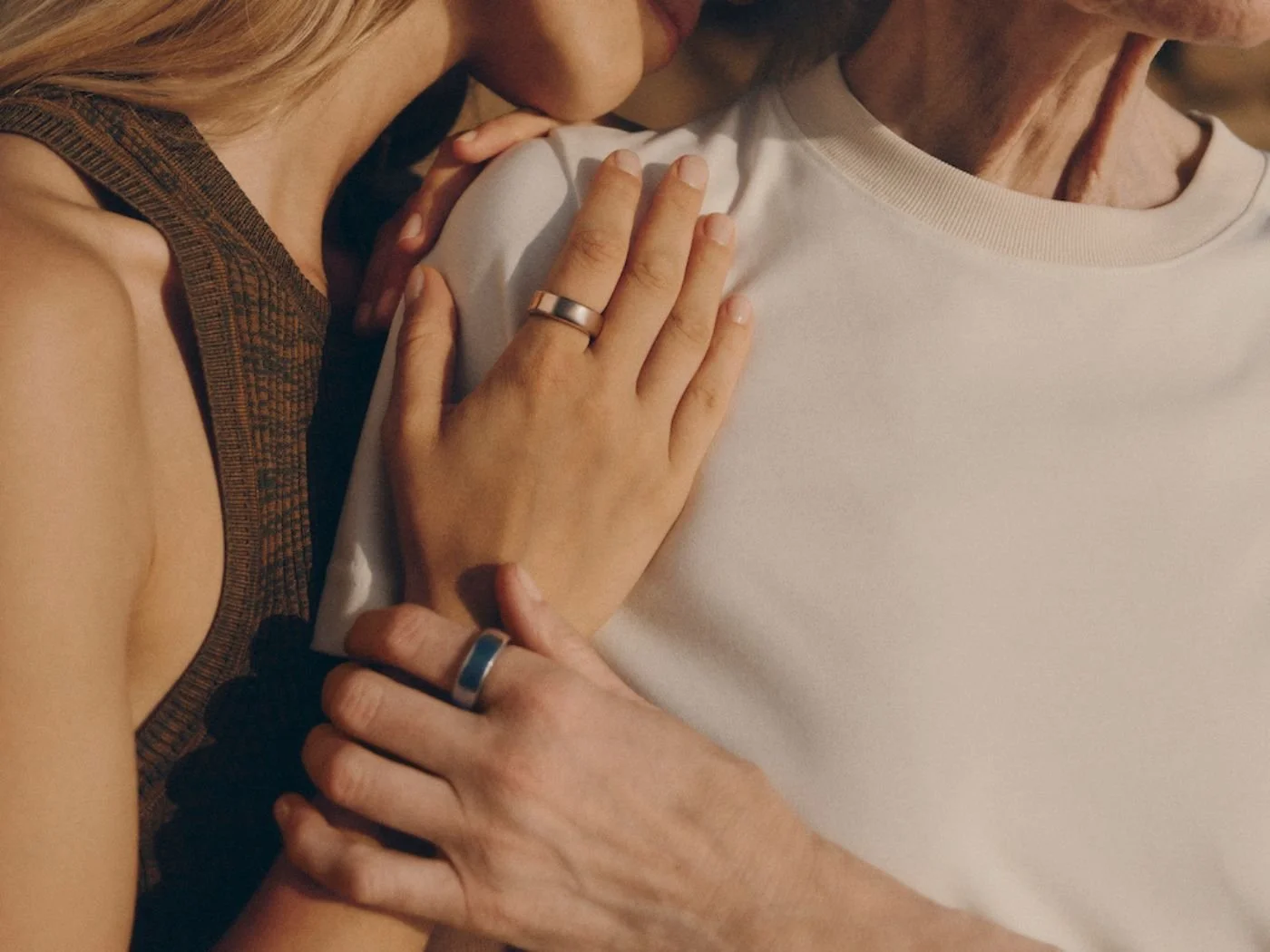
Image courtesy: Oura Ring
What makes circadian rhythm resonate in 2026 is how intuitive it feels. There’s no complicated protocol, no dramatic intervention, no sense of chasing an ideal version of yourself. It’s simply about paying attention to light, timing, consistency, and environment — and letting the body do what it’s designed to do.
In a wellness landscape obsessed with optimization, circadian health stands out for its restraint. Better sleep, steadier energy, and improved mood don’t come from doing more. They come from aligning with something that’s been there all along — the body’s own sense of time.