
Fendi Steps Into the Frame: Inside the Emily in Paris Collaboration That Turned Accessories Into Plot Points
Fendi’s collaboration with Emily in Paris transformed its most recognizable bags into pop culture shorthand, merging Roman craftsmanship with Netflix-era visibility and fashion-as-character storytelling.
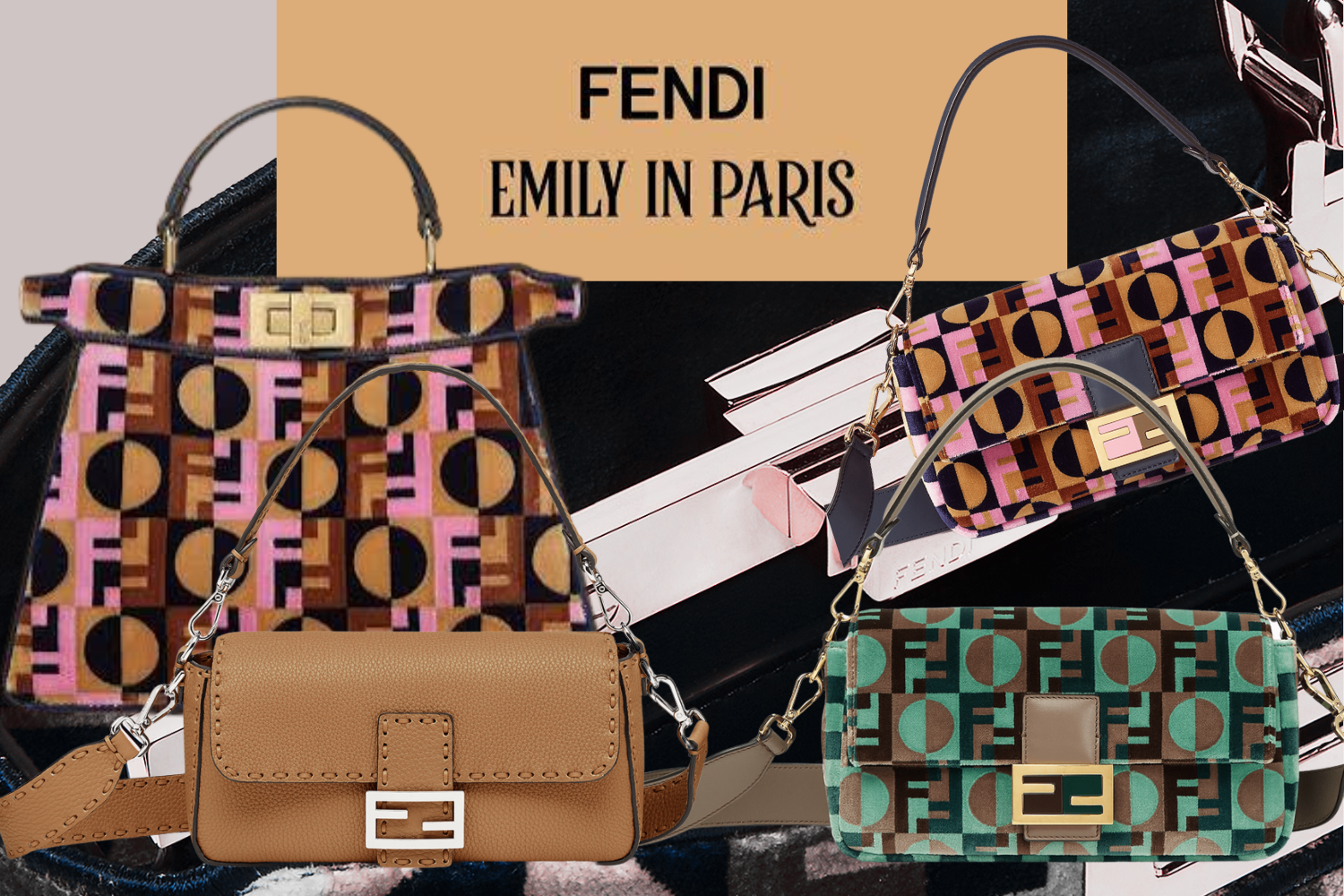
Photography: Courtesy of Fendi
Luxury fashion rarely benefits from subtlety when it enters mainstream entertainment. The partnership between Fendi and Emily in Paris understood that immediately. Rather than treating the show as a backdrop for product placement, Fendi leaned into visibility, narrative presence, and unmistakable silhouettes. The result was not just a collaboration, but a fashion moment that played out scene by scene.
The bags were the stars. Fendi’s Baguette, already burdened with decades of cultural meaning, felt perfectly cast in a series built on fashion shorthand. On screen, it functioned less as an accessory and more as punctuation. Bright colors, logo-forward treatments, and compact proportions mirrored the show’s pace and visual energy. Nothing whispered. Everything landed.
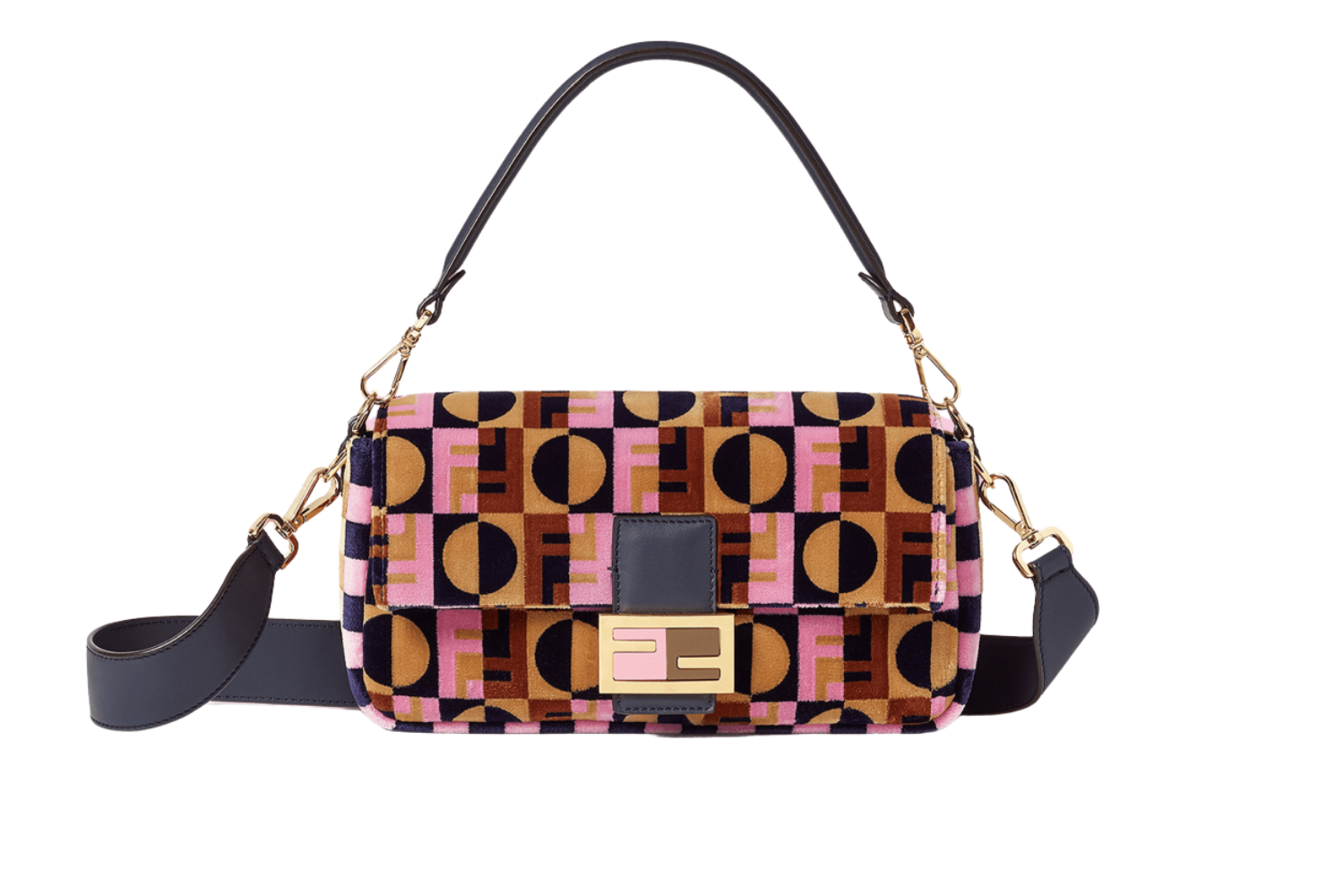
Baguette, $4,950, available at fendi.com
What made the collaboration effective was restraint in the right places. Fendi did not redesign itself to suit the show. Instead, it amplified existing house codes. The Peekaboo appeared structured and composed, a counterpoint to Emily’s more playful wardrobe choices. The contrast worked. It reinforced Fendi’s identity as a house grounded in craft, even when operating inside a high-saturation pop culture lens.
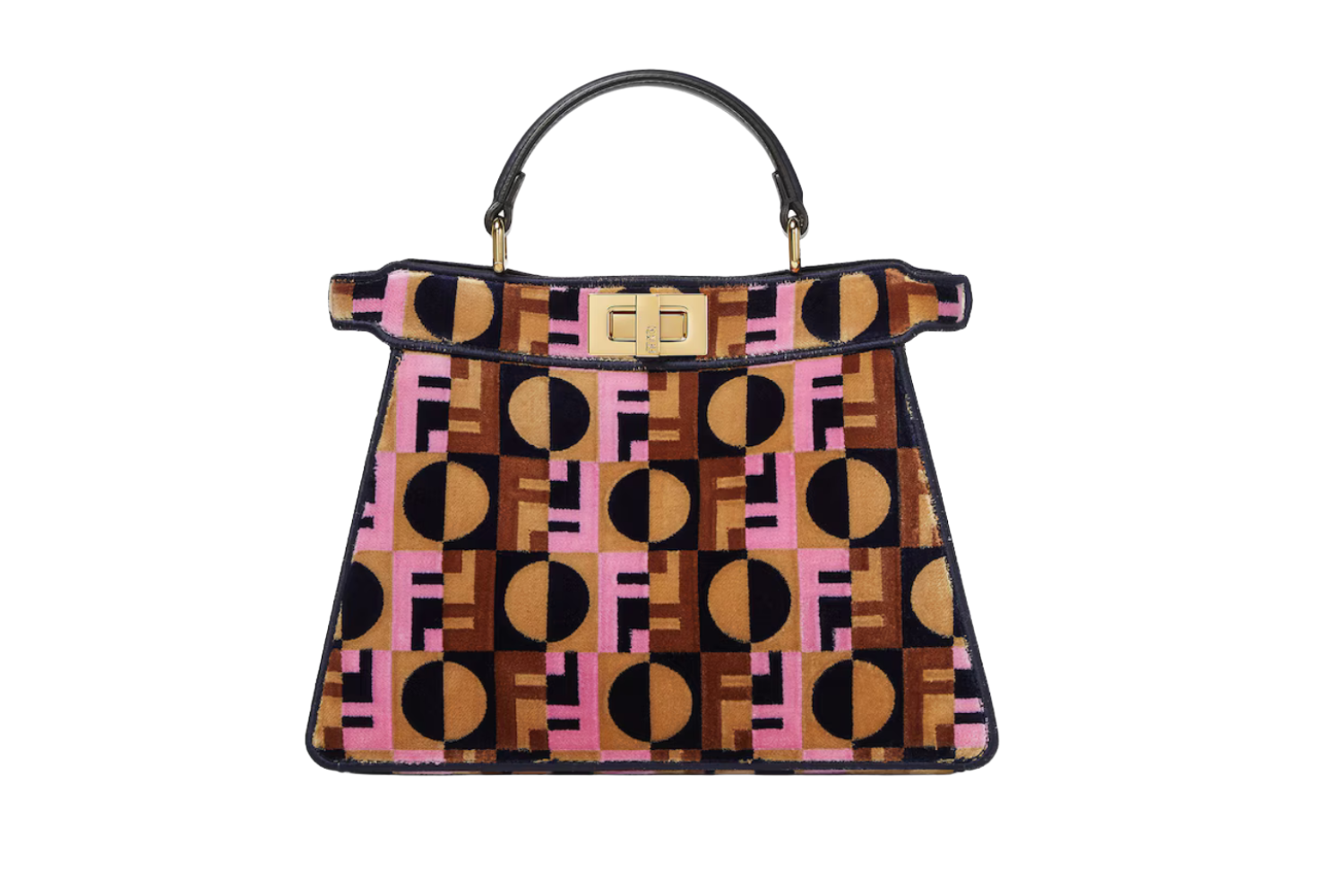
Peekaboo ISeeU Small, $7,700 available at fendi.com
The timing mattered. Streaming has collapsed the gap between runway and recognition. A bag seen on a Parisian street style star once took months to ripple outward. A bag carried by a global Netflix character circulates instantly. Fendi’s decision to participate was pragmatic, not desperate. The house recognized that cultural relevance now moves through screens as much as through salons.
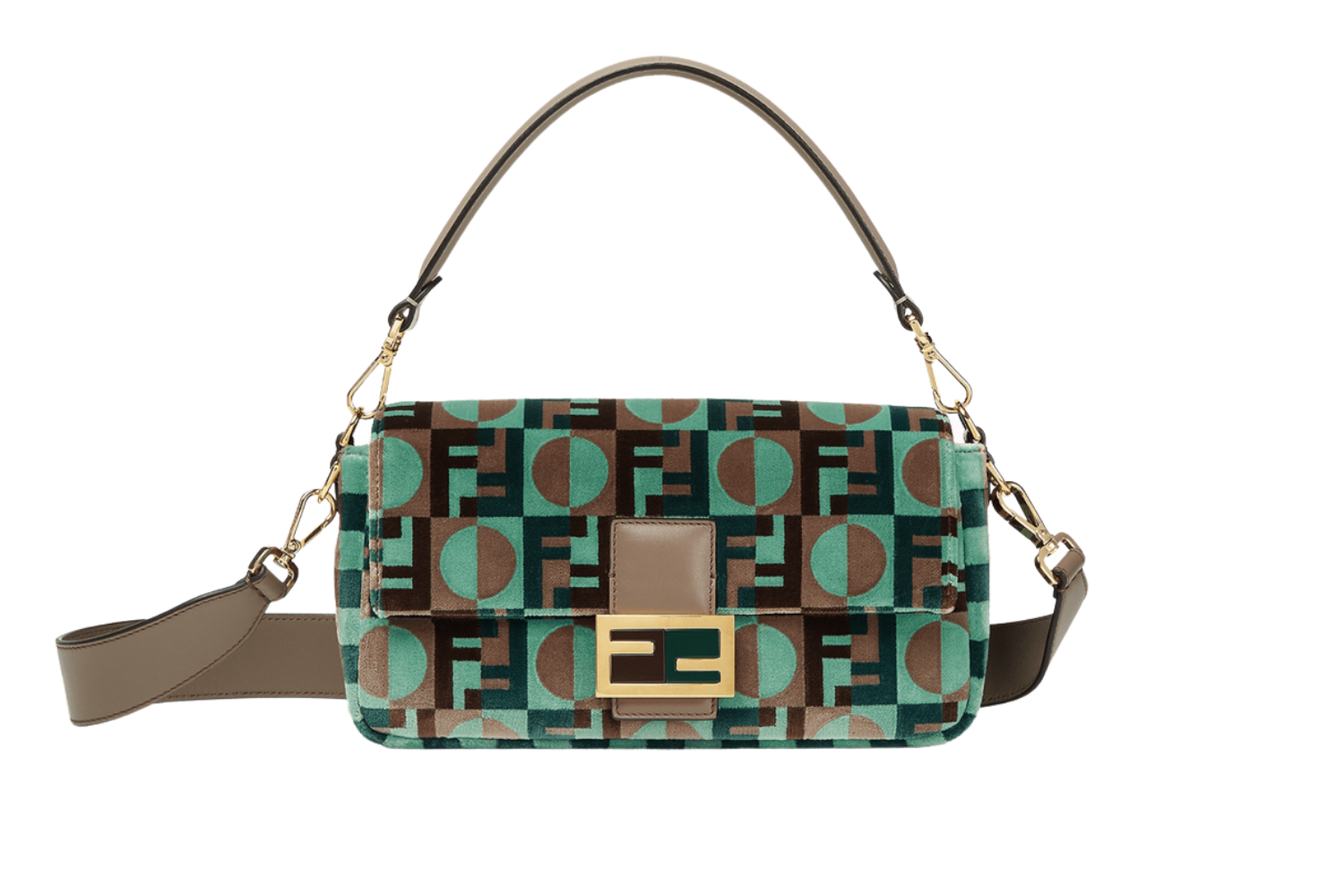
Peekaboo, $4,950 available at fendi.com
There is also the matter of nostalgia. The Baguette’s history is inseparable from Sarah Jessica Parker and early-2000s fashion television. By placing it inside a contemporary series obsessed with clothes, image, and aspiration, Fendi subtly reactivated that lineage without explicitly referencing it. Viewers did the work themselves. That is how fashion memory functions when it is done well.
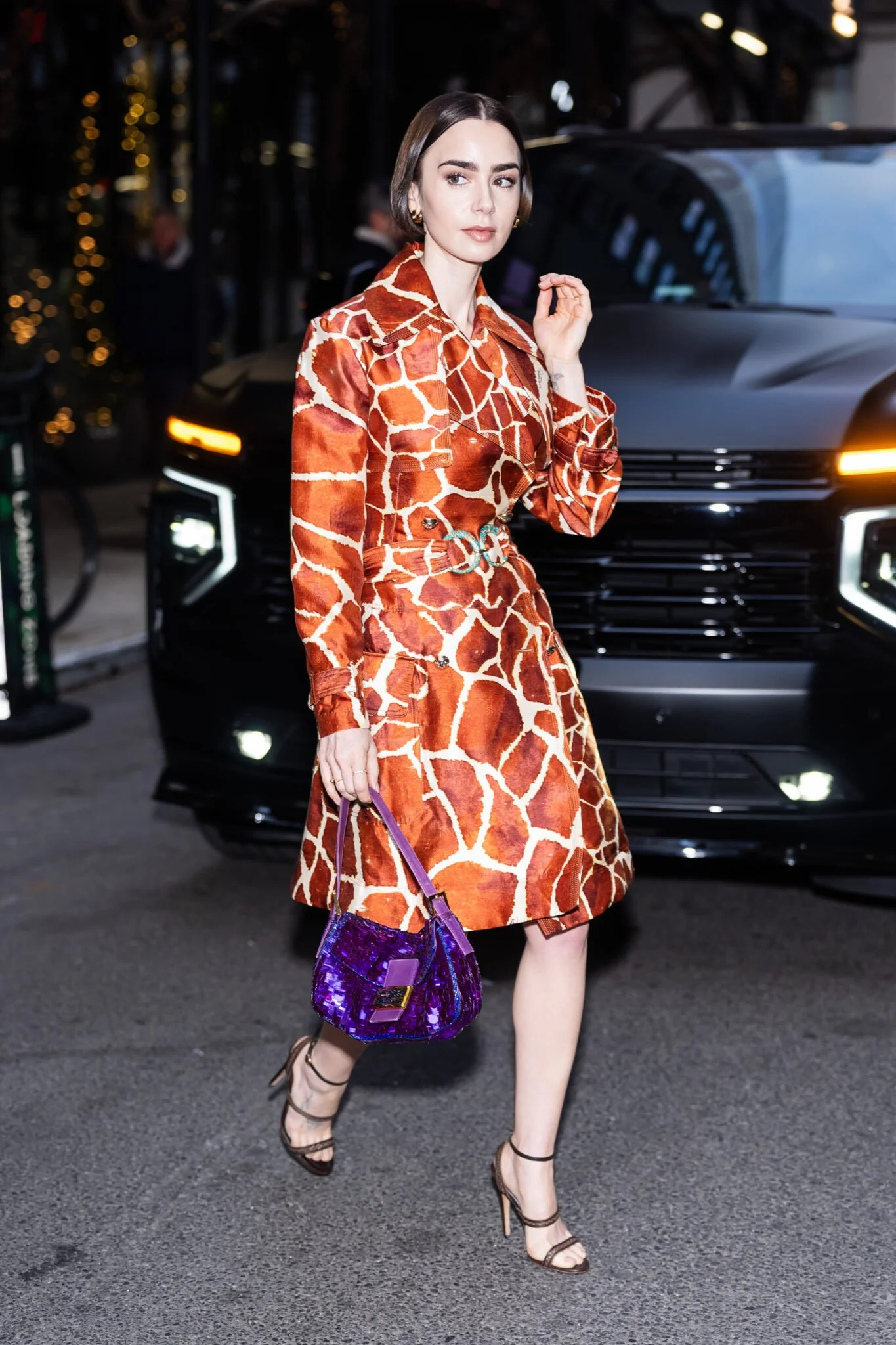
Photo: Courtesy of Fendi
Critics were quick to dismiss the collaboration as obvious. But obviousness was the point. The bags were meant to be recognized at a glance, paused, screenshot, and discussed. In that sense, Fendi treated the screen the way it once treated glossy magazine covers. Visibility became currency again, only faster and louder.
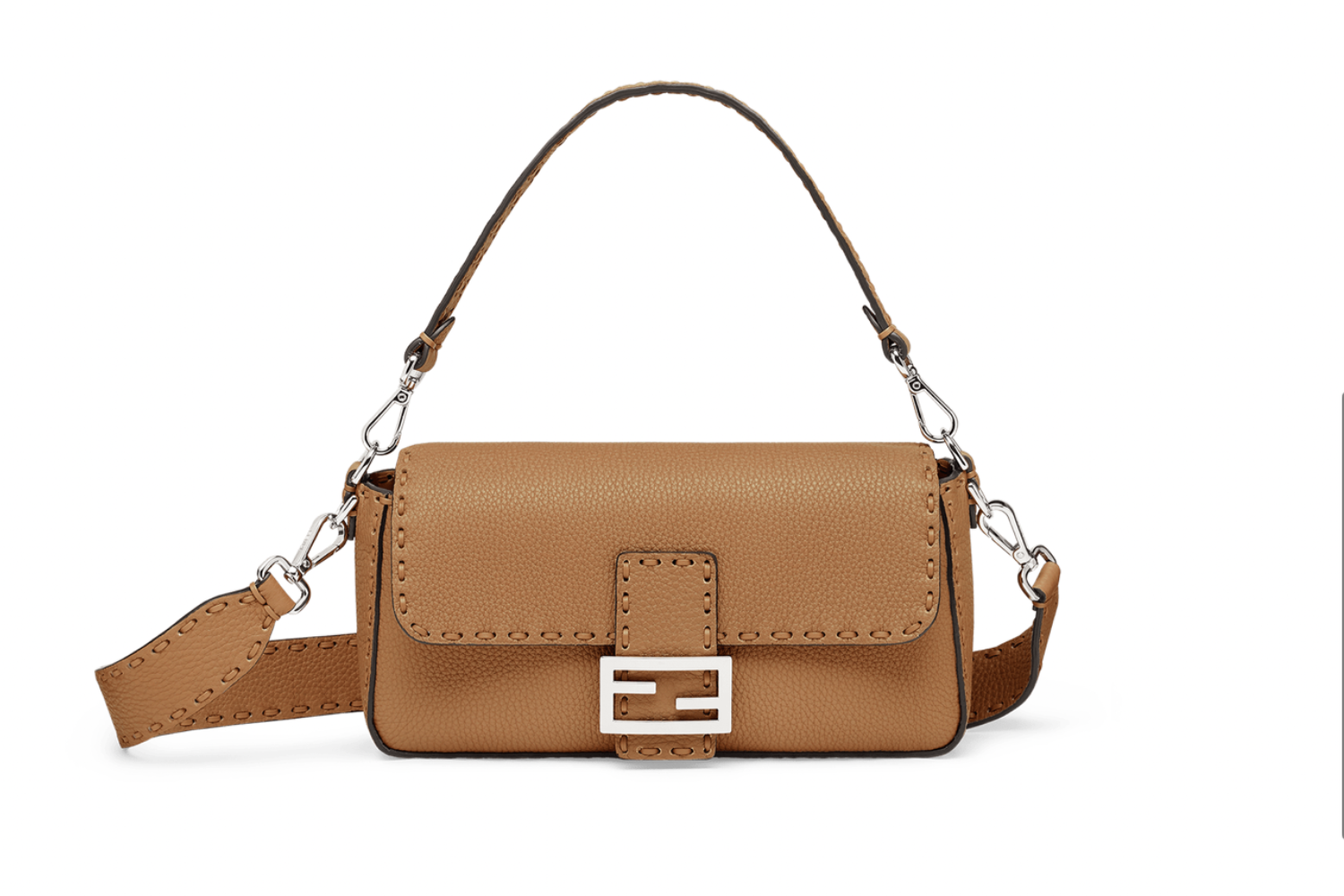
Baguette, $4,200 available at fendi.com
The collaboration also reflected a broader industry shift. Accessories have become the most efficient carriers of brand identity in visual media. Clothing requires context and movement. Bags hold their shape, their logos, their message. Fendi understood this and focused its narrative energy accordingly.
In the end, the success of the Emily in Paris partnership was not about chasing youth or trends. It was about understanding where fashion is consumed now and meeting that reality without embarrassment. Fendi showed that heritage does not need protection from pop culture. Sometimes it needs to walk directly into frame.
