
Why Everything Feels Expensive Right Now (And What Still Feels Worth It)
Why everything feels expensive right now and what still feels worth it in 2026, from a more considered perspective on price, value, and modern luxury.
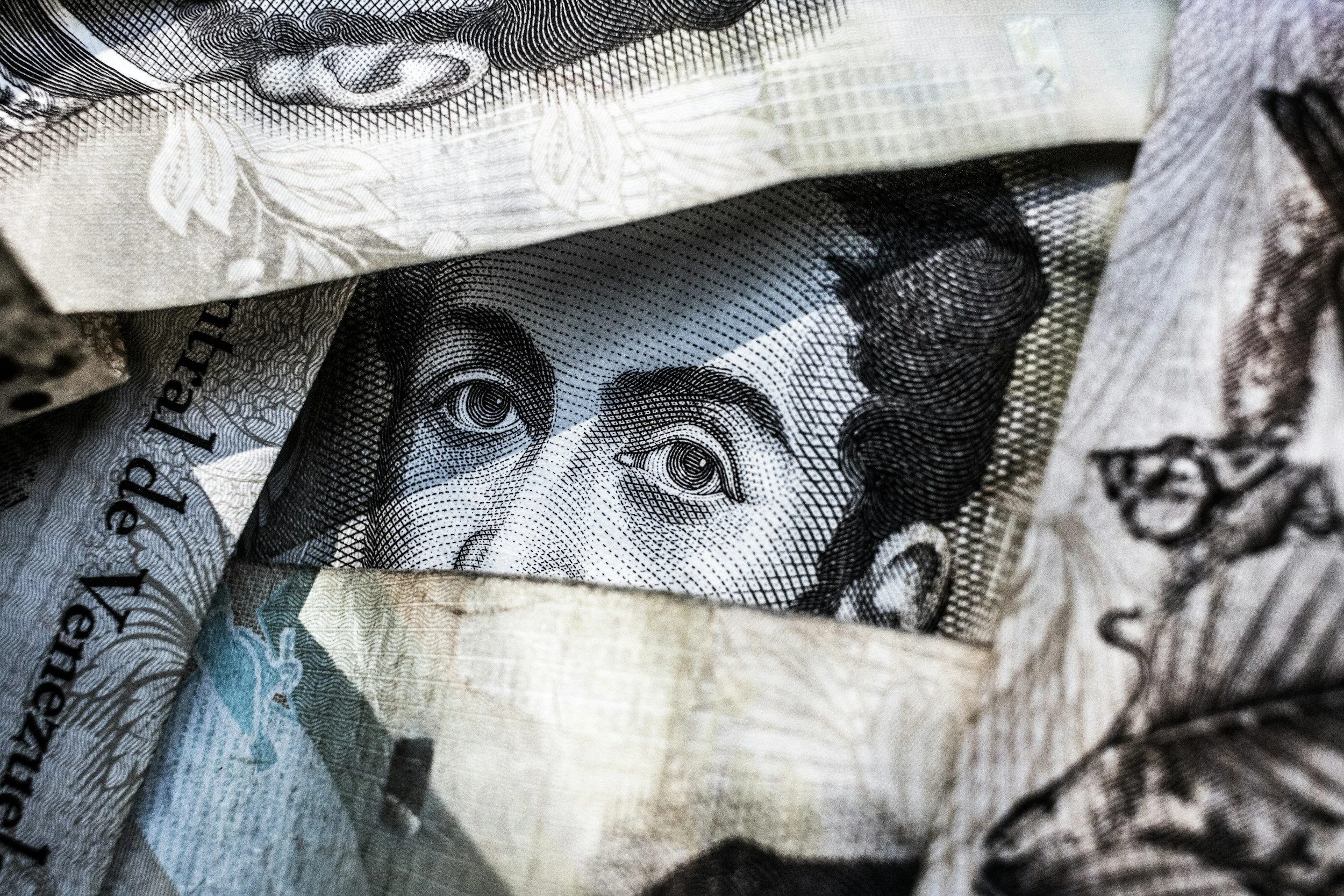
It’s difficult to point to a single moment when everything began to feel more expensive, but the shift is hard to ignore. It shows up in small, everyday decisions and in larger purchases that now require more hesitation than they once did.
The change is not only about numbers. It’s about perception. Prices have risen across categories, but so has awareness. People are paying closer attention to what they are getting in return, and the gap between cost and value feels more noticeable than before.
In 2026, the conversation around spending has become more nuanced. It is no longer just about affordability. It is about whether something feels justified.
The Difference Between Price and Value
Price is immediate. It is clear, fixed, and easy to compare. Value is less direct. It builds over time and often depends on experience rather than expectation.
This distinction has become more important as costs have increased. Items that once felt routine now carry more weight. The question is no longer simply whether something can be purchased, but whether it should be.
In many cases, the answer depends on how long something lasts, how often it is used, and whether it continues to feel relevant. A higher price can still make sense, but only when it aligns with a sense of durability or purpose.
Why the Shift Feels So Noticeable
There is a reason the current moment feels different. Costs have risen steadily, but the pace of consumption has not slowed in the same way. This creates tension.
At the same time, access to information has changed how people evaluate purchases. Comparisons are easier. Reviews are immediate. Alternatives are always visible. As a result, expectations have increased.
There is also a growing awareness of how things are made. Production, materials, and sourcing are discussed more openly than before. This has made it harder for pricing to exist without explanation.
What Still Feels Worth It
Not everything has lost its appeal. Some categories continue to hold their place, even as prices rise.
Items that are used regularly tend to justify themselves more easily. When something becomes part of a routine, its cost is spread out over time. The initial hesitation fades as familiarity takes over.
There is also a clear preference for things that improve with use. Materials that age well, objects that become more comfortable, and pieces that settle into daily life tend to retain their value in a more personal way.
Experiences continue to hold a similar position. Travel, dining, and time spent in well-designed spaces offer something that is difficult to replicate. Their value is not stored, but it is remembered.
The Role of Restraint
One of the more noticeable changes is not what people are buying, but how much.
There is a move toward fewer purchases, made with more intention. This does not necessarily mean spending less. In many cases, it means spending differently.
The idea of owning fewer things that are better made has become more common. It reduces the need for constant replacement and shifts focus toward longevity.
This approach also changes how value is measured. Instead of being tied to quantity, it becomes tied to consistency.
Where Luxury Fits In
Luxury has always existed in relation to value, but that relationship has become more visible.
Brands like Loro Piana and Brunello Cucinelli have maintained a steady presence by focusing on materials and construction rather than visibility. Their appeal is not immediate, but it tends to last.
This does not mean that all luxury feels justified. There are still cases where pricing is driven more by perception than substance. The difference is that it is easier to recognize.
As expectations shift, the definition of luxury becomes more specific. It moves away from excess and toward something quieter, though not necessarily less considered.
Living With the Shift
Adjusting to higher costs is not only a financial exercise. It is also a change in mindset.
Spending decisions now carry more attention. Purchases are considered more carefully, and the outcome matters more. This does not remove the desire to buy, but it does reshape it.
Over time, this tends to lead to a different kind of consumption. One that is slower, more selective, and often more satisfying.
FAQs
Why does everything feel more expensive right now?
Costs have increased across industries, and people are more aware of pricing and value than before.
Is it better to spend more or less in 2026?
It depends on the item. Spending more can make sense when something lasts longer or is used often.
What makes something feel worth it today?
Consistency, durability, and how well it fits into daily life all play a role.
Are luxury items still worth buying?
Some are, particularly those that focus on quality and longevity rather than visibility.
Why are people buying fewer things?
There is a growing preference for owning less and choosing more carefully.
Will prices go back down?
It’s difficult to predict, but the way people evaluate purchases has already changed.
The sense that everything feels more expensive is not unfounded, but it is only part of the picture.
What has changed just as much is how value is understood. There is more attention on what something offers over time, not just what it costs at the moment of purchase.
In that context, the idea of what feels worth it becomes more personal. It is shaped less by trends and more by how something fits into everyday life.
That shift, more than pricing alone, is what defines the current moment.
