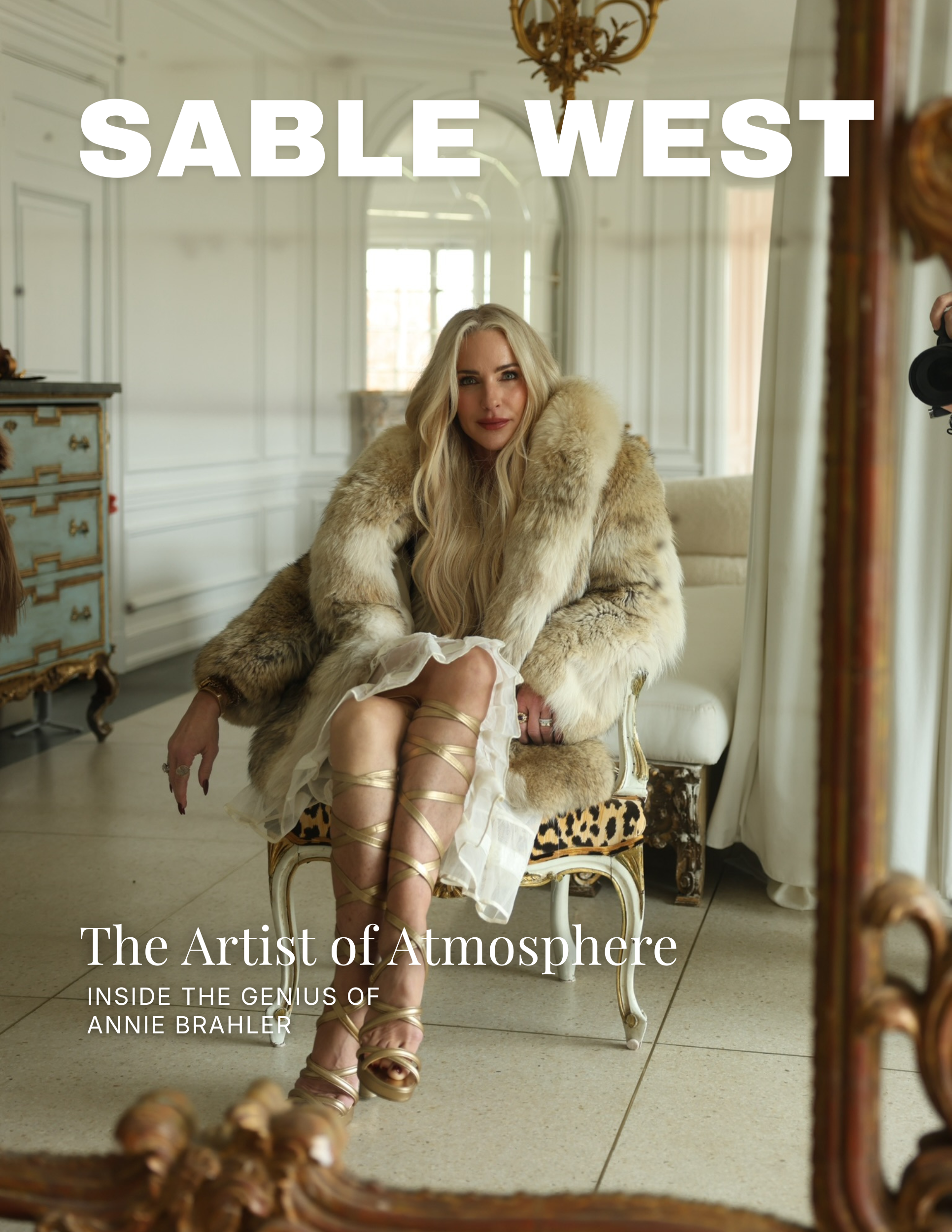
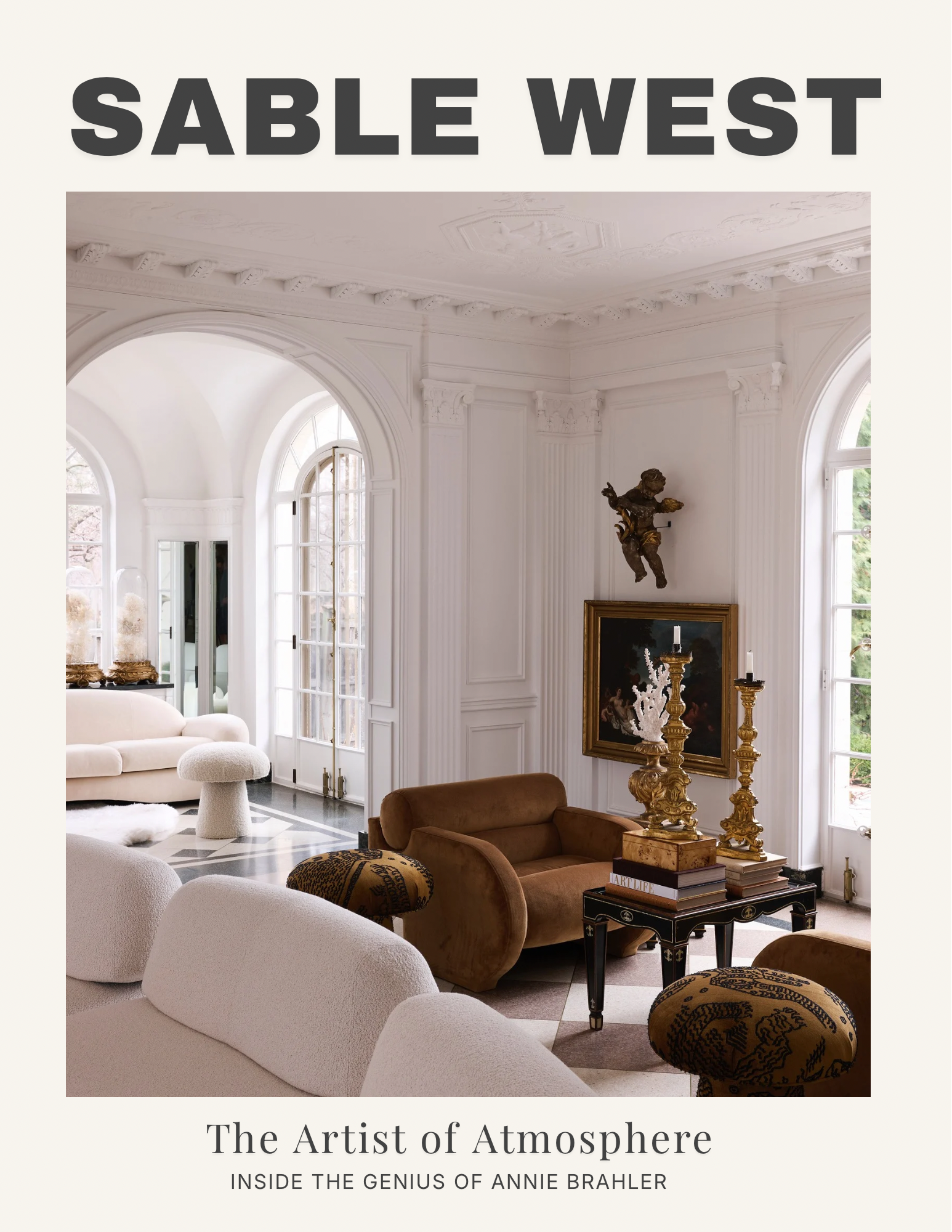
The Artist of Atmosphere: Inside the Genius of Annie Brahler
An in-depth look at Annie Brahler’s interior architecture, where scale, flow, and lived detail come together to create immersive, deeply personal spaces.
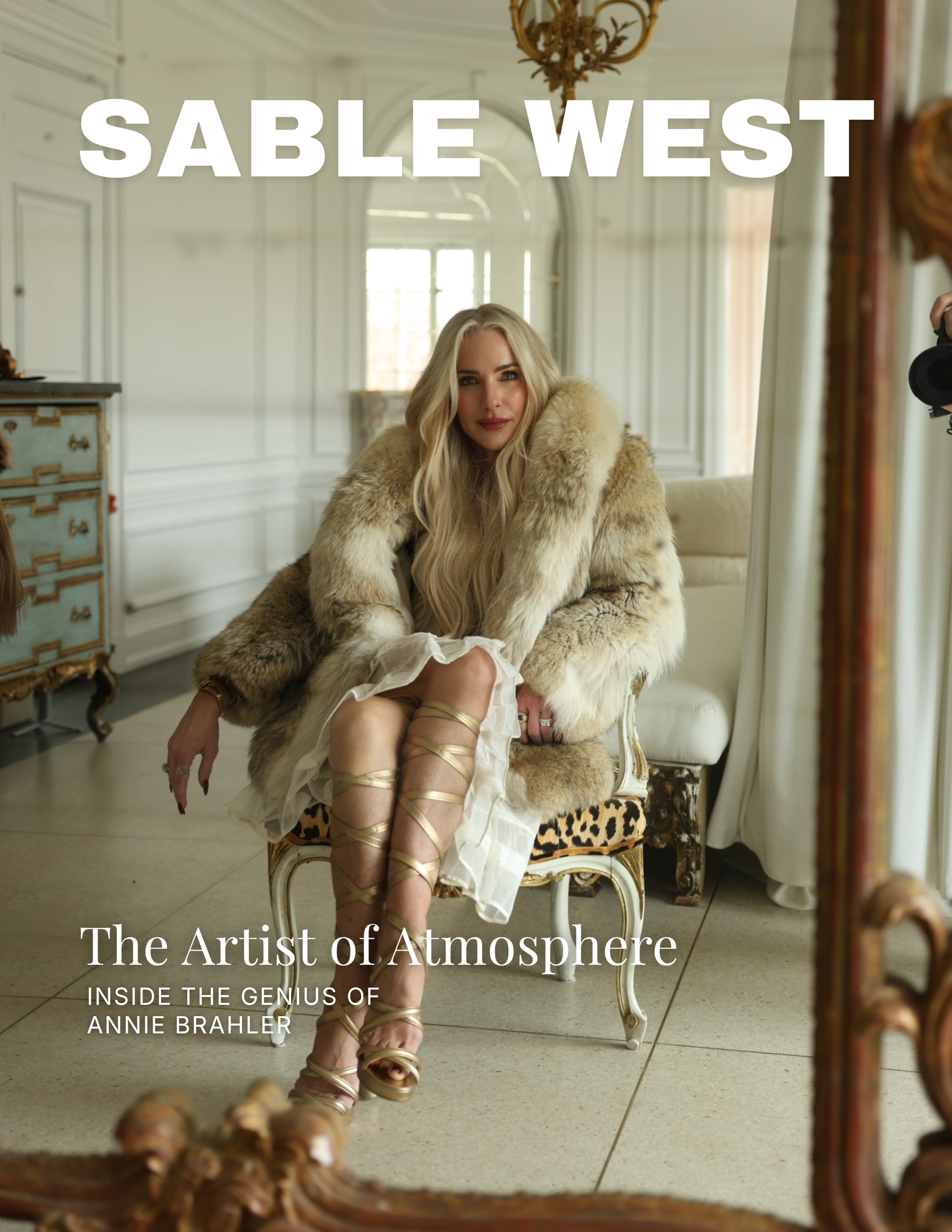
“There are no preconceived ideas when I begin. I clear my mind so I can understand how the space needs to function before anything else.” That is how Annie Brahler opens the door into her process. Her work does not pull from templates or trends. It comes from a place of observation, instinct, and a deep understanding of how people actually live in their homes. Her perspective, shaped by a Dutch family culture that used beautiful things without hesitation and later refined during nearly a decade in Tokyo, became a visual language that feels both distinct and deeply personal.
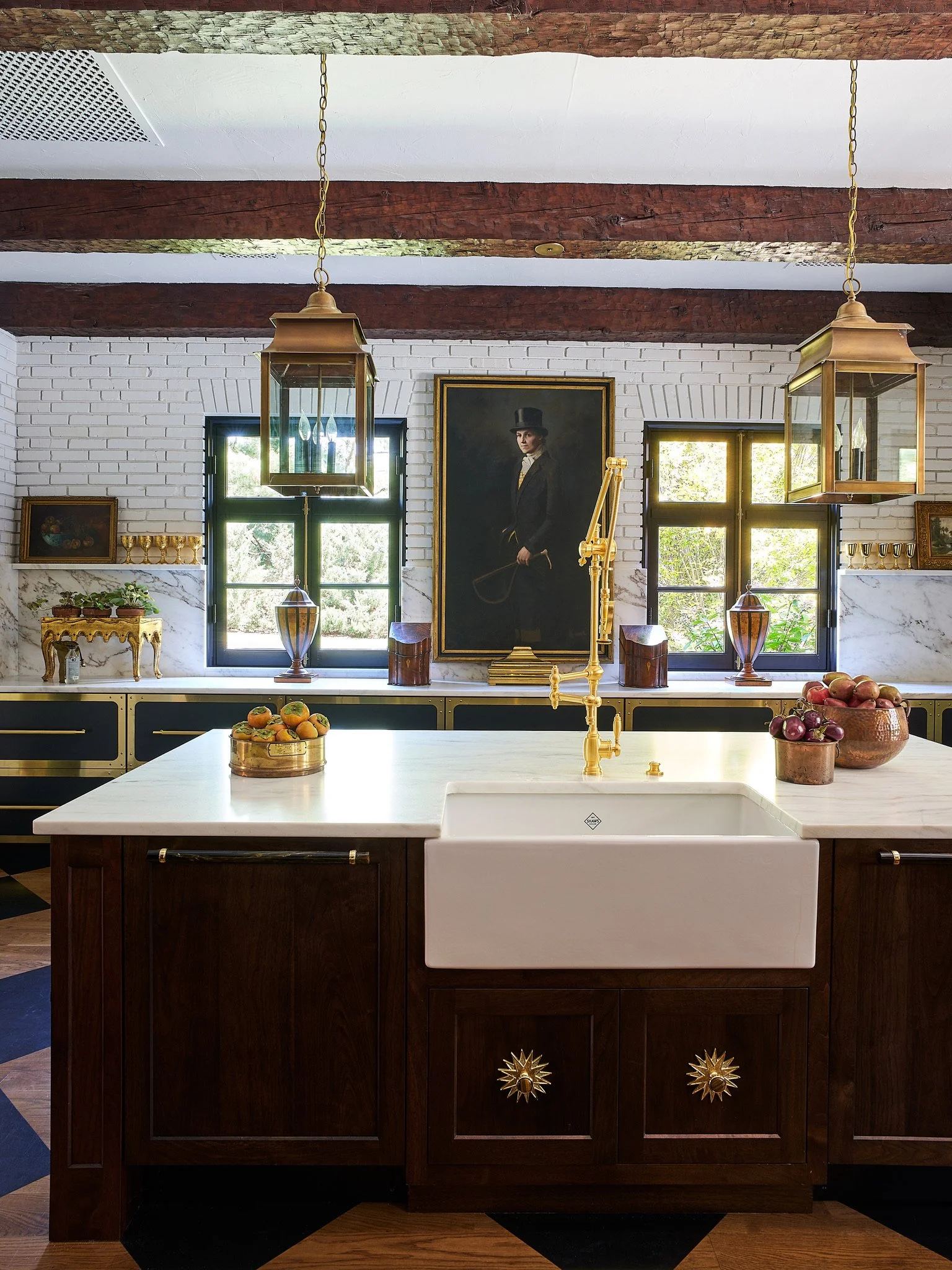
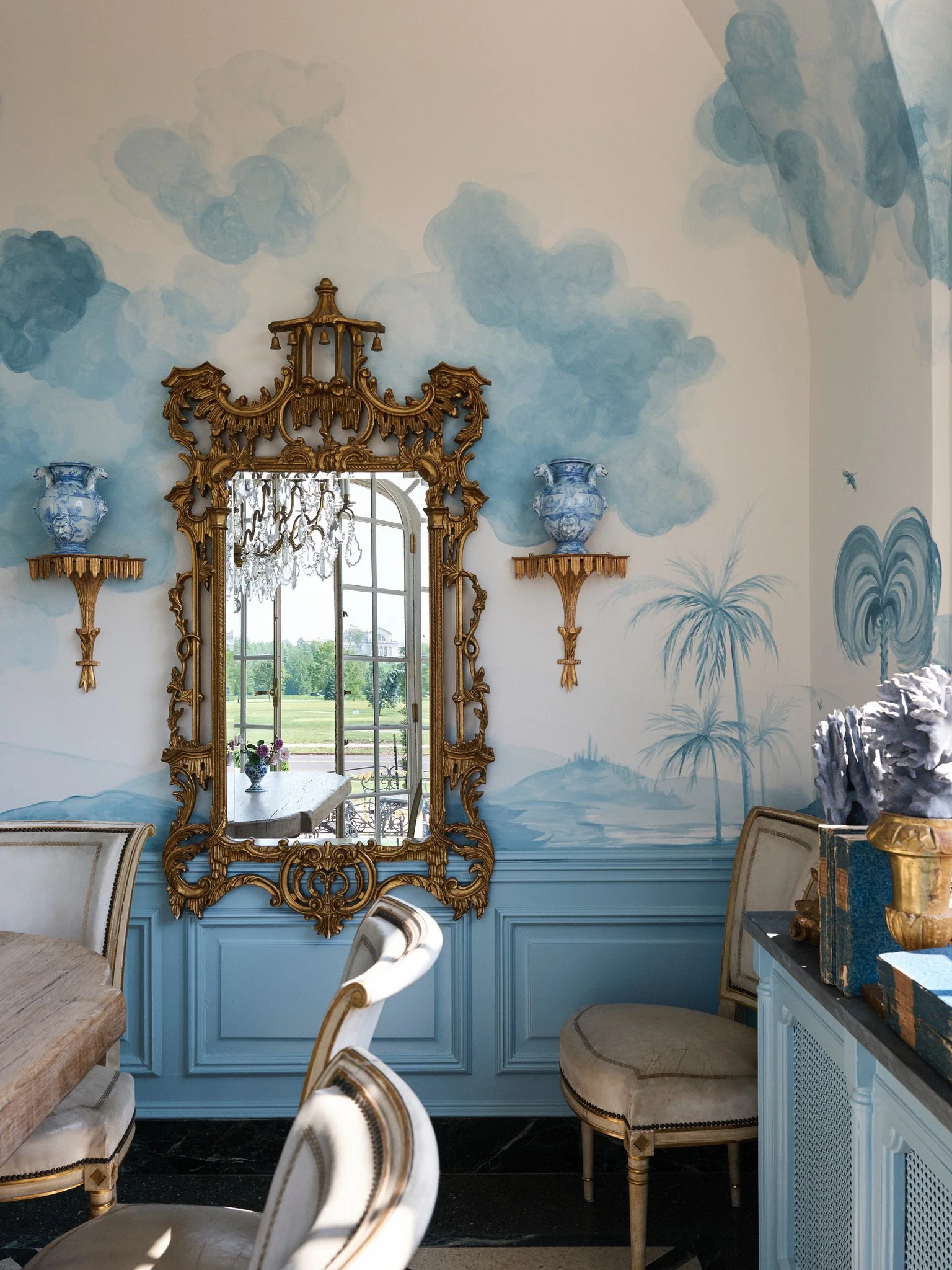
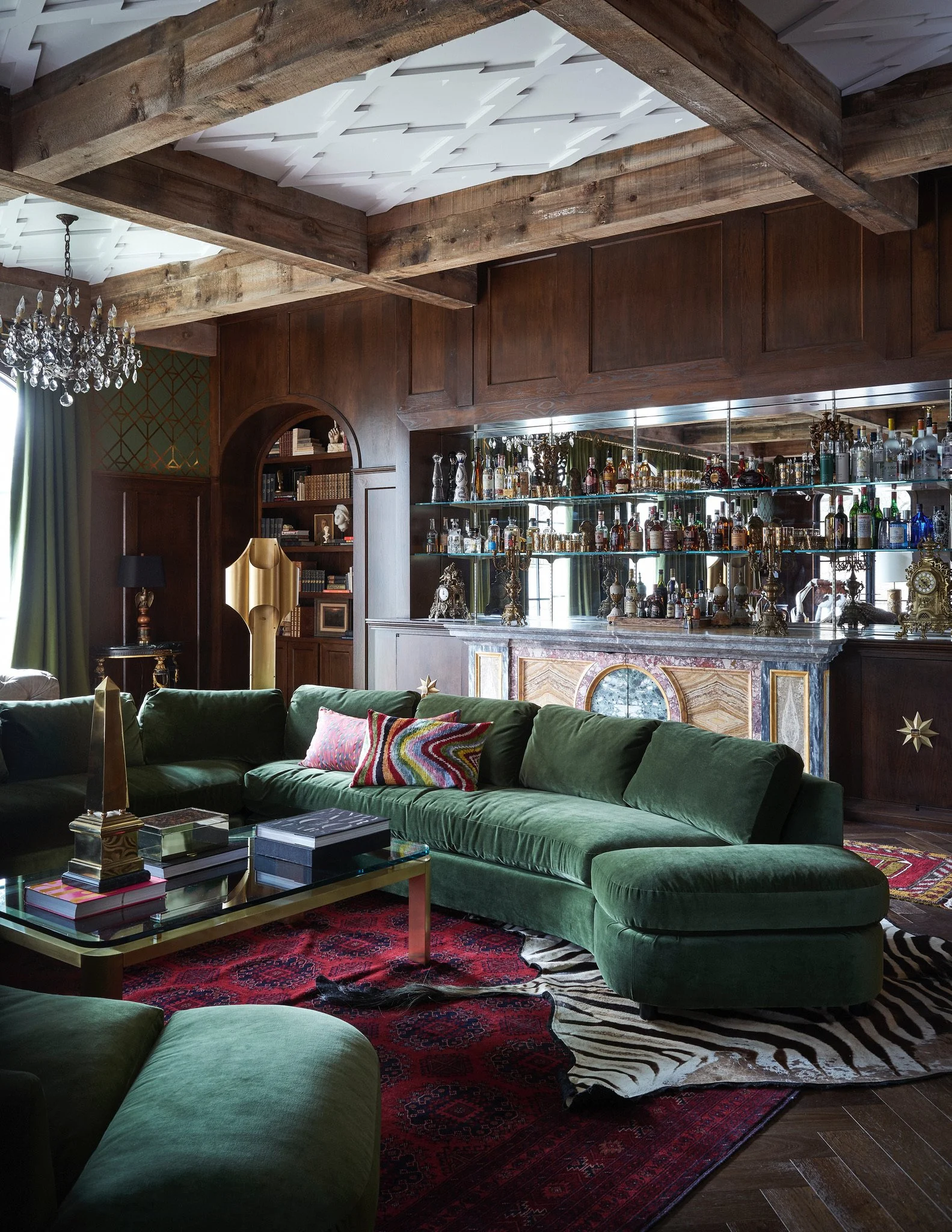
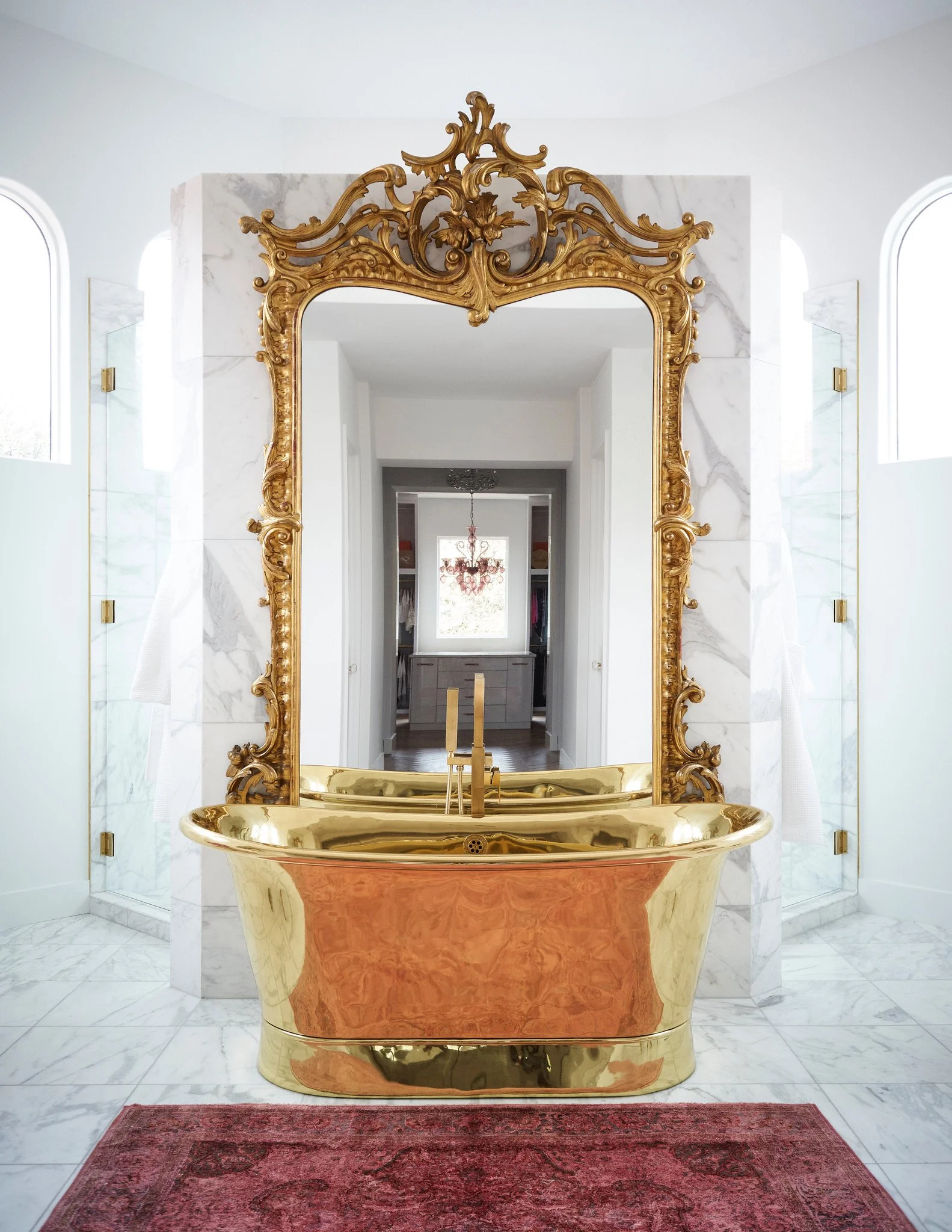
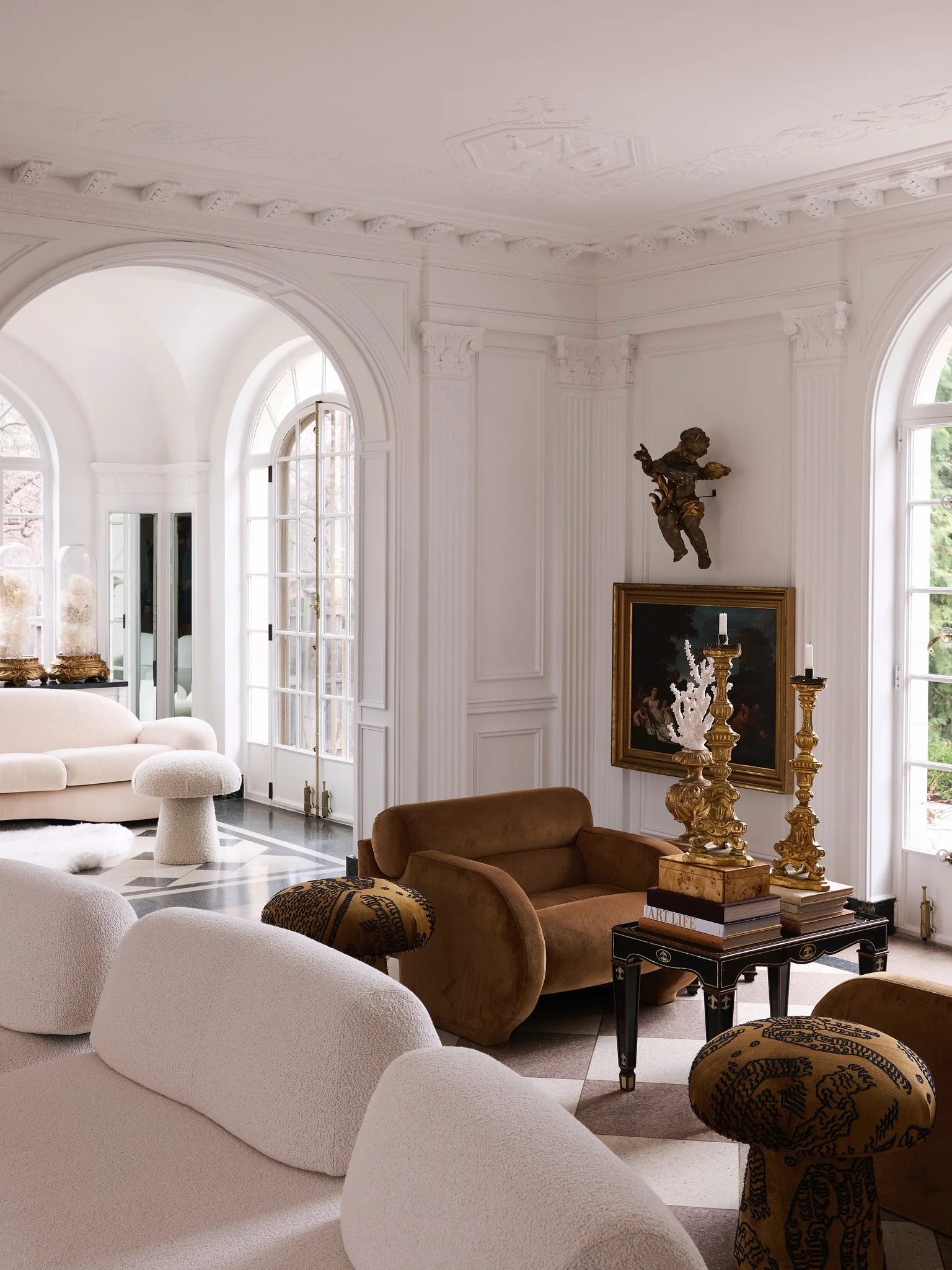
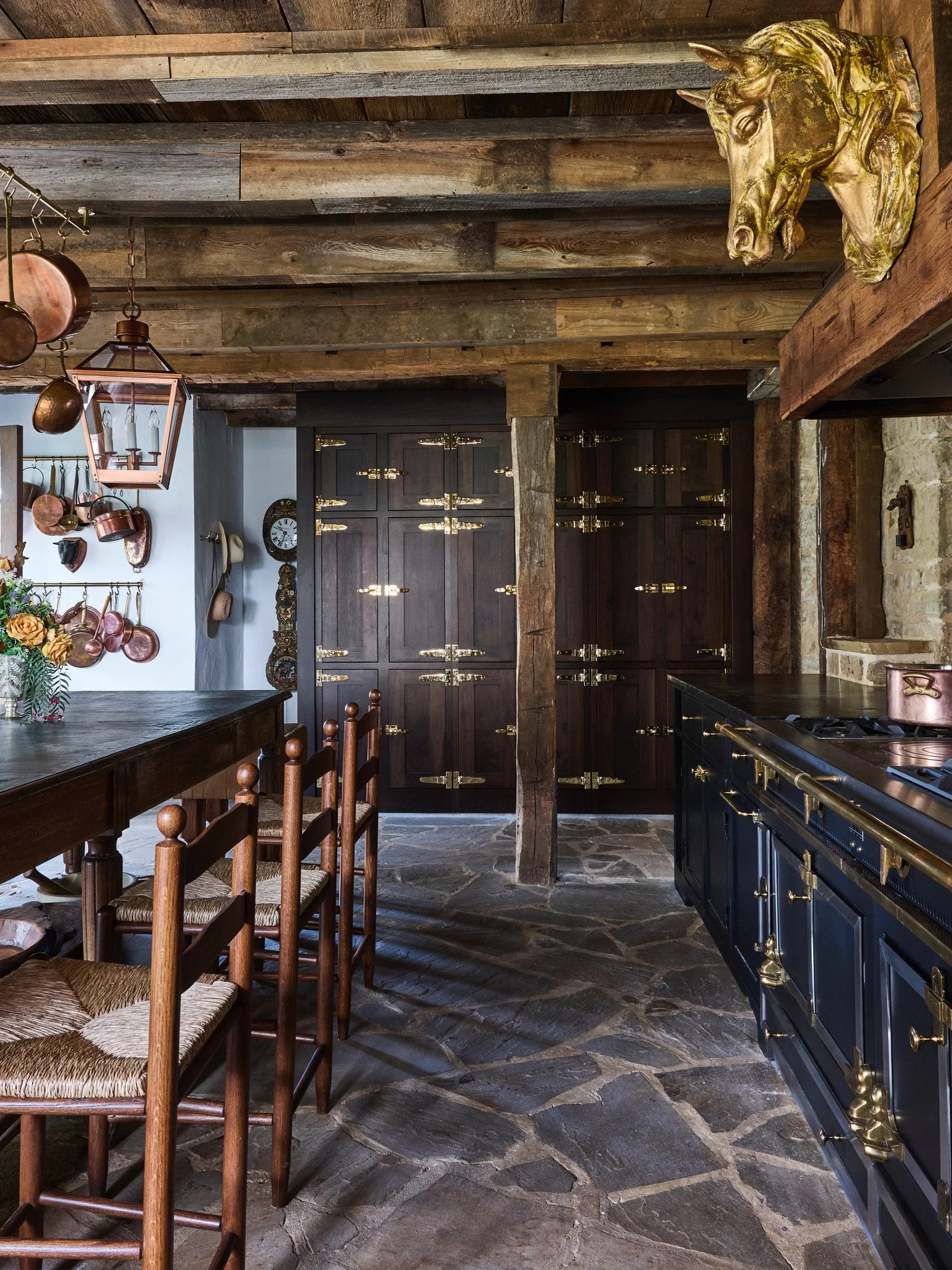
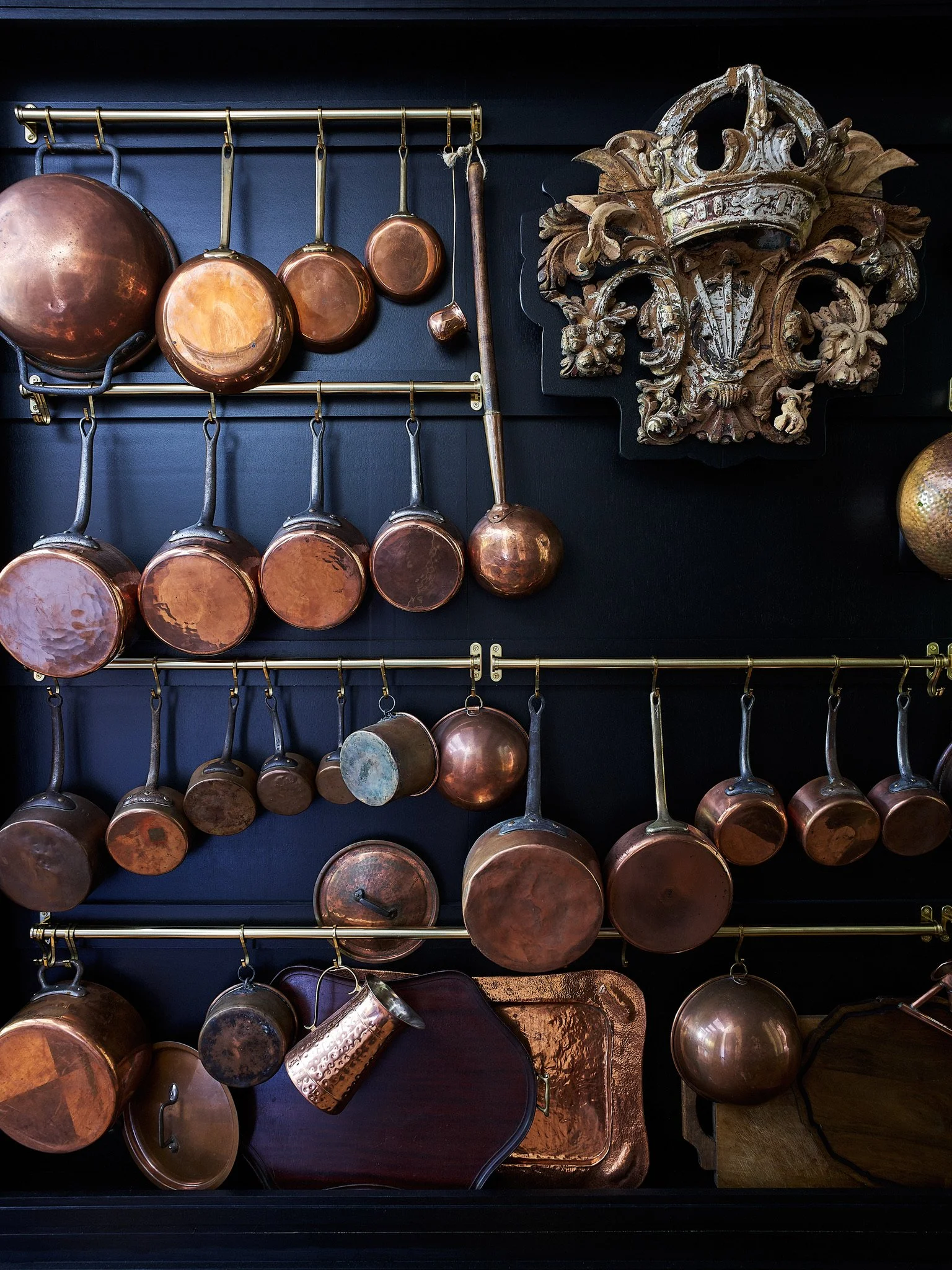
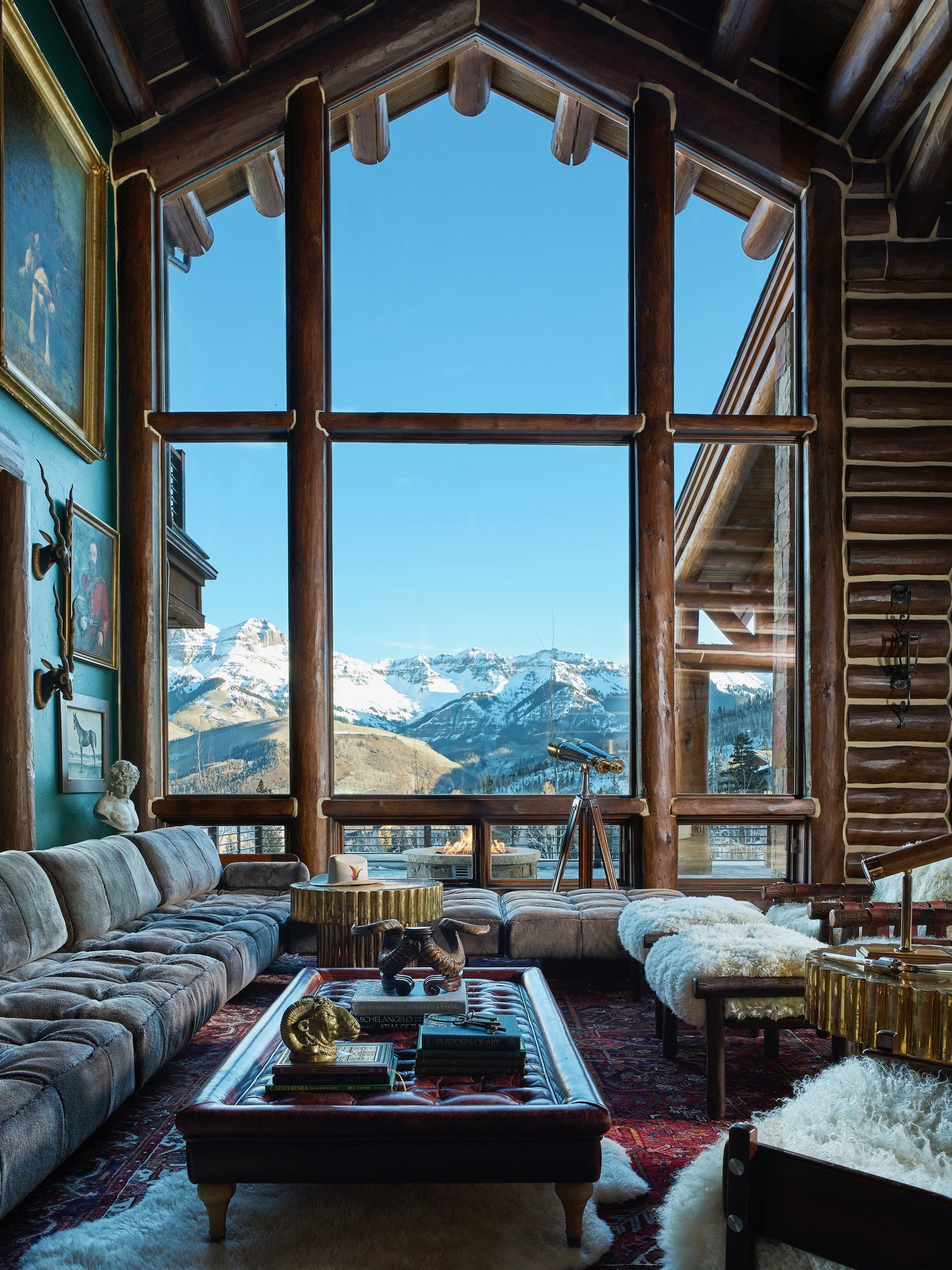
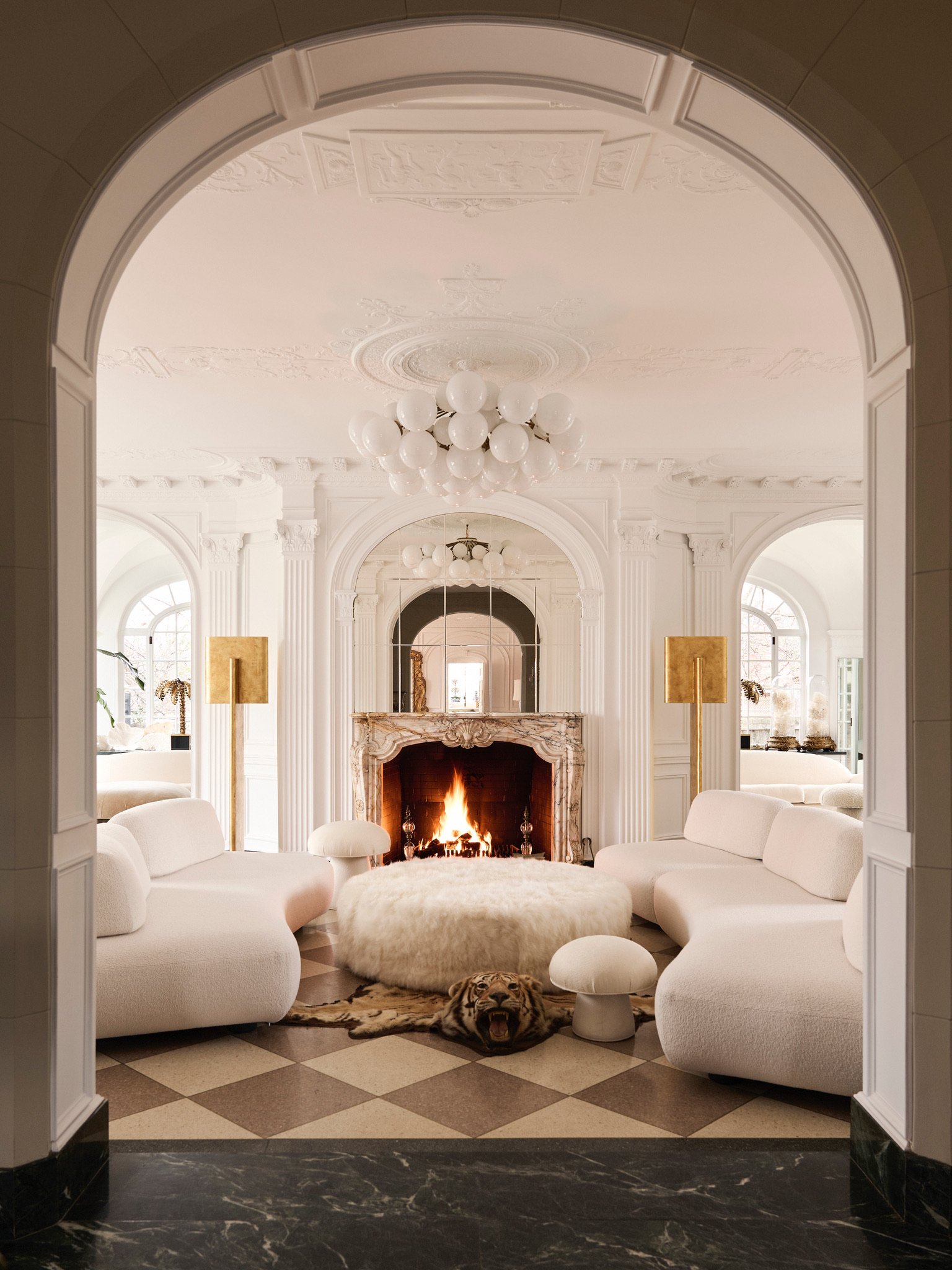
Brahler’s rooms carry a lived richness that never feels overworked. Scale is assured. Materials settle into the architecture naturally. Light moves across metal, velvet, and wood in a way that suggests the home was built to receive it. Her interiors are less about decorating and more about creating a complete environment, shaped from the inside out by someone who believes beauty should support daily life rather than exist separately from it.
“I want anyone that walks into one of the spaces I create to feel completely immersed in the experience.”
Before she brings anything into a home, she studies how the space behaves. The way people move. The path light takes during the day. The rituals that define comfort. Only then does she begin building the atmosphere. That is why her rooms feel finished on a structural level. They are dimensional, grounded, and shaped with the eye of an artist and the practicality of someone who understands how life unfolds within four walls.
Her approach to beauty started early. “I don’t save anything for one day. I use everything for everyday life,” she says. It is why her spaces have such an effortless confidence. Nothing is staged or overly protected. Silver gets used. Porcelain lives out in the open. When beauty becomes part of daily ritual, it feels natural rather than precious.
Her years in Tokyo shifted her instincts in a profound way. The clarity and discipline of the city reshaped how she thinks about proportion, balance, and color. She still approaches color intuitively, adjusting depth until a room feels emotionally right. Not by rule. By sensation.
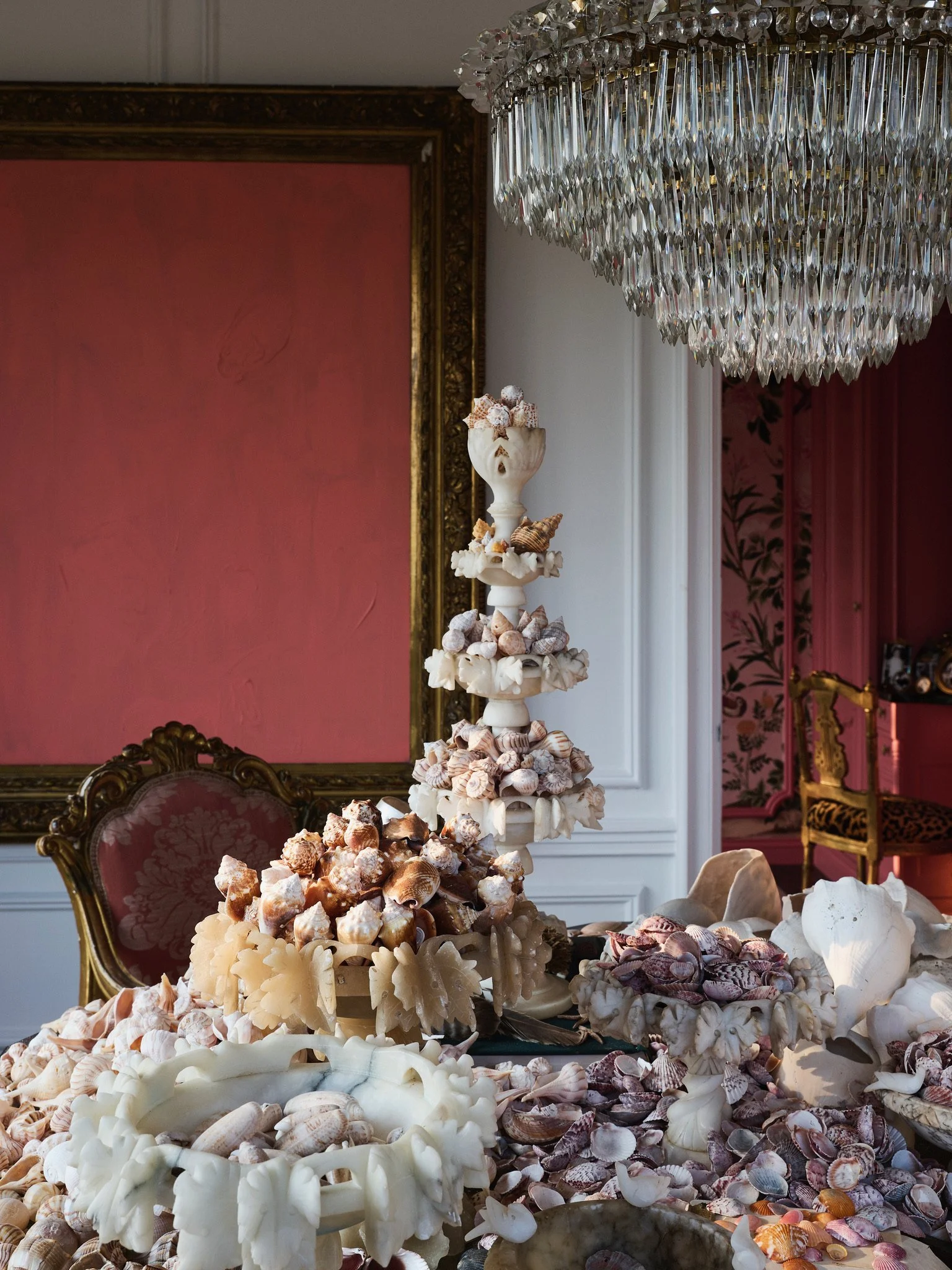
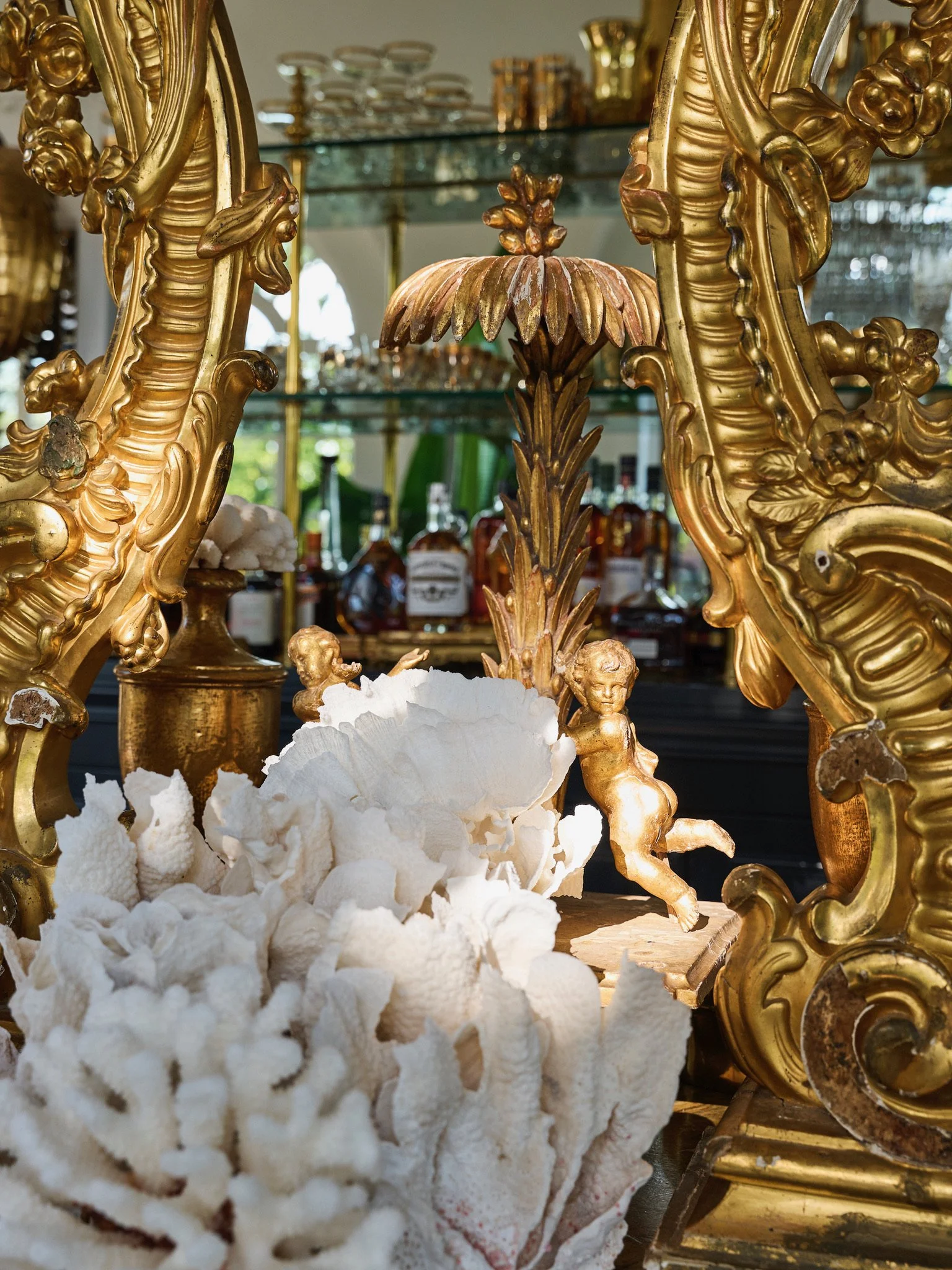
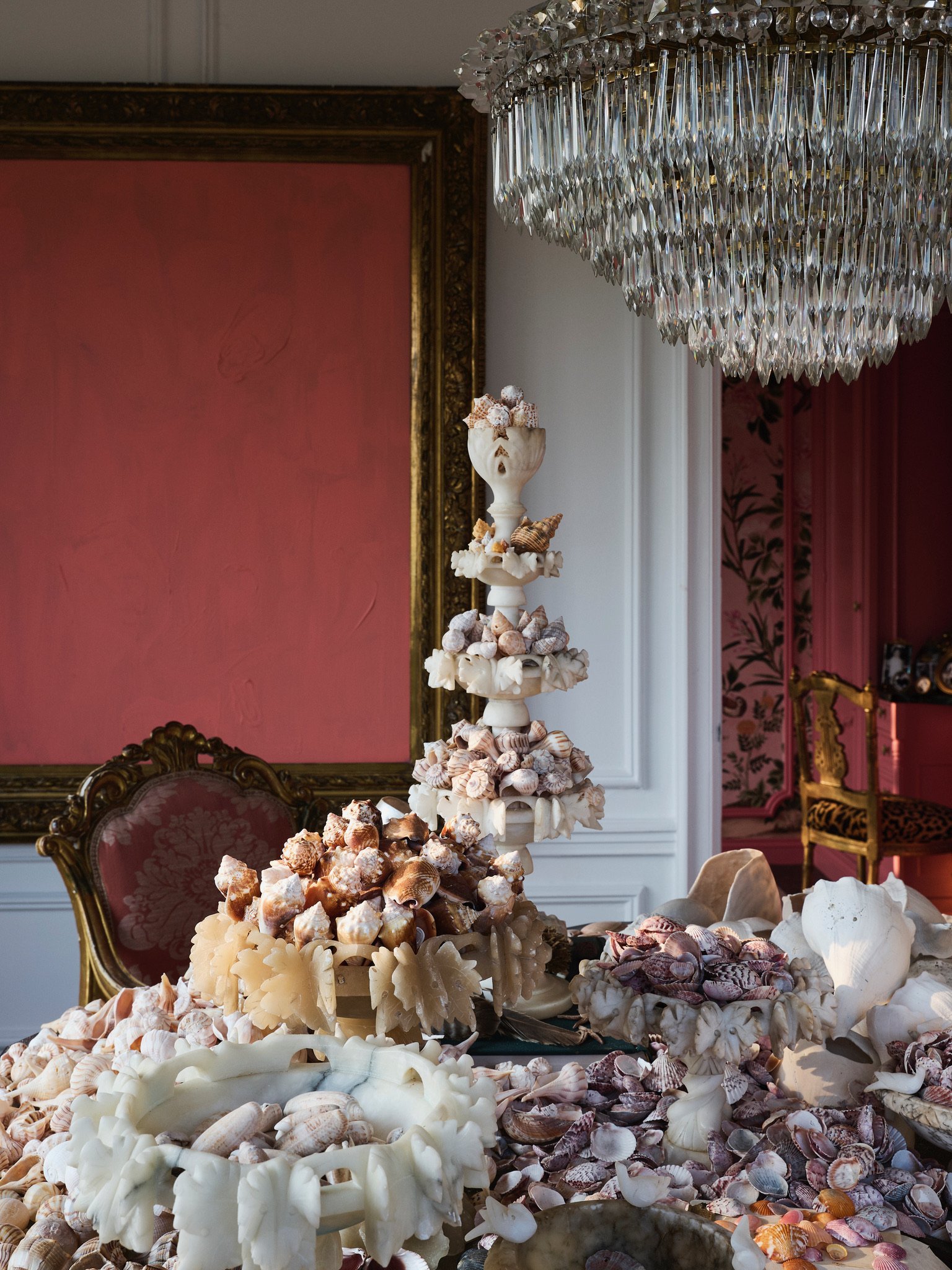
Texture functions as structure in her work. She often notes that texture cannot be fully communicated through photographs because so much of what she creates is meant to be touched. Antique, vintage, and modern elements are layered in ways that create depth rather than contrast. The effect is subtle and cumulative. Her spaces reveal themselves slowly.
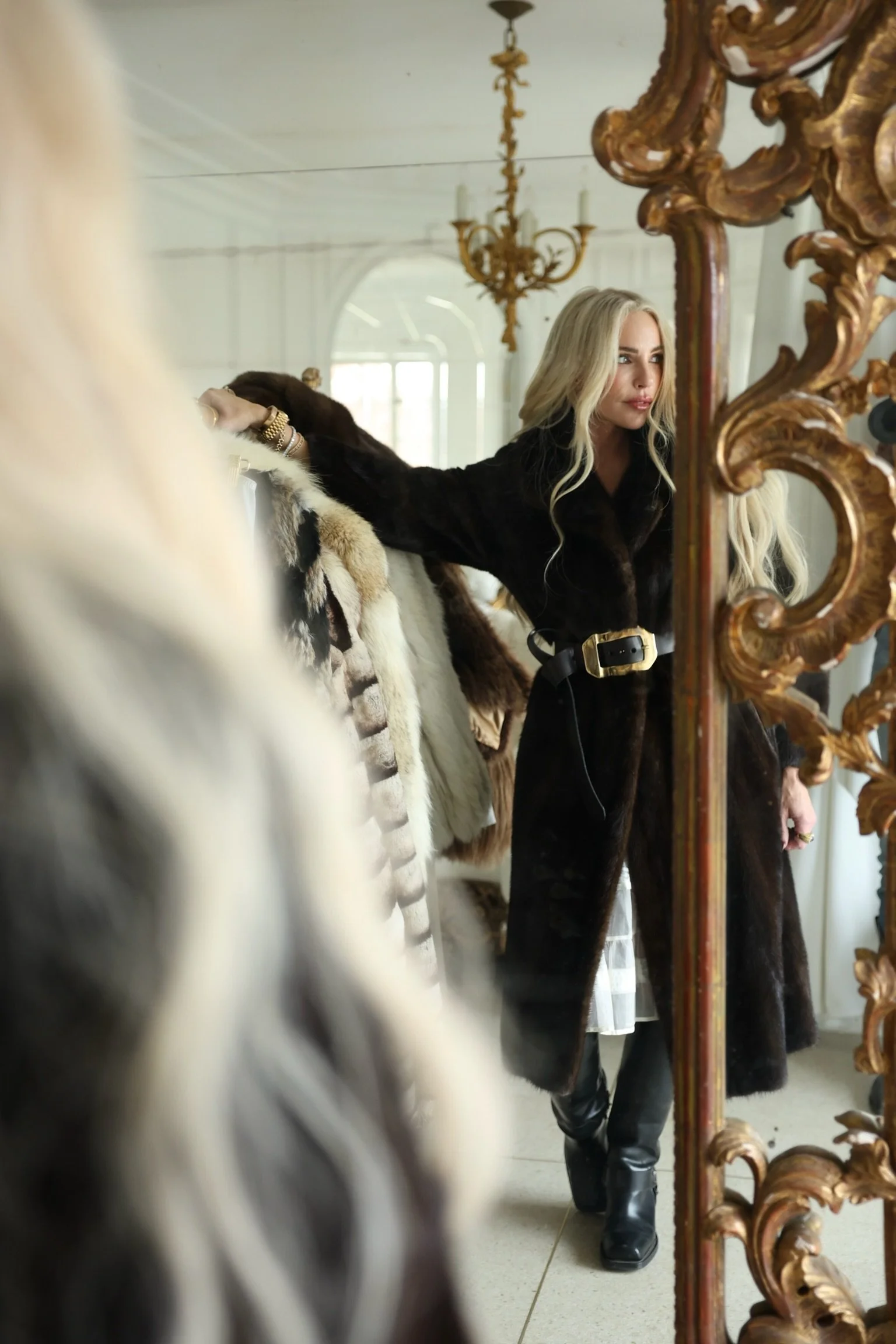
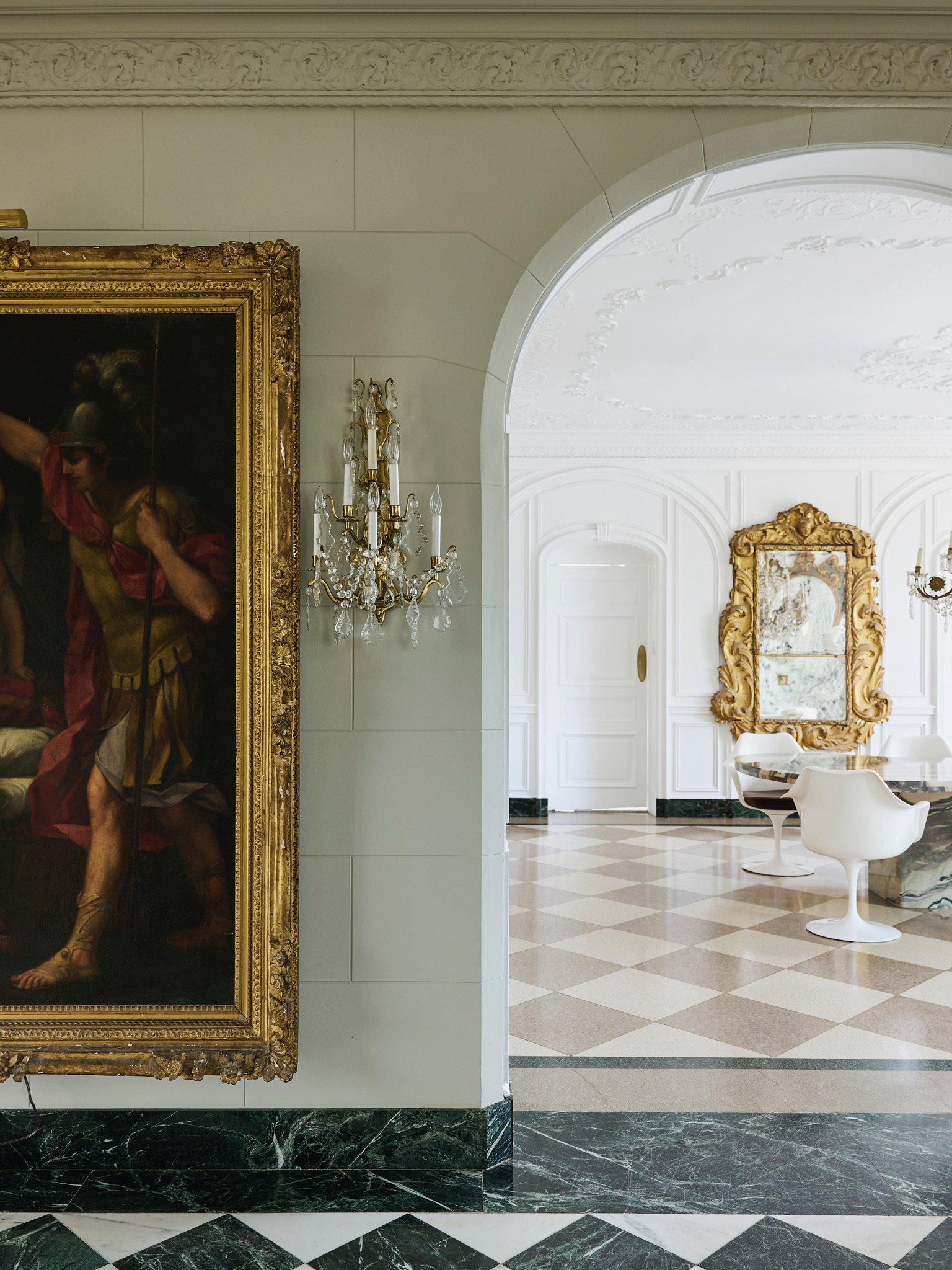
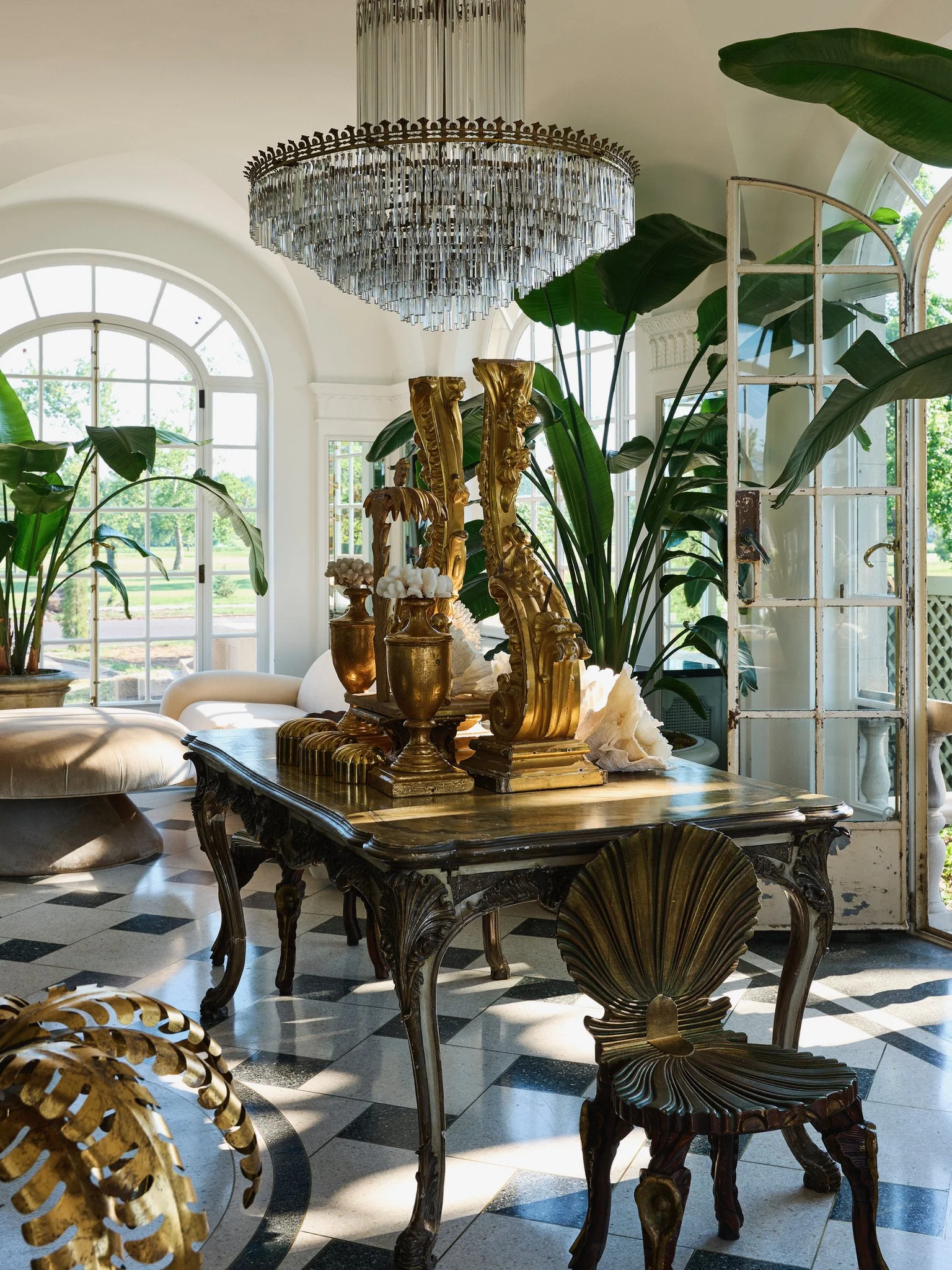
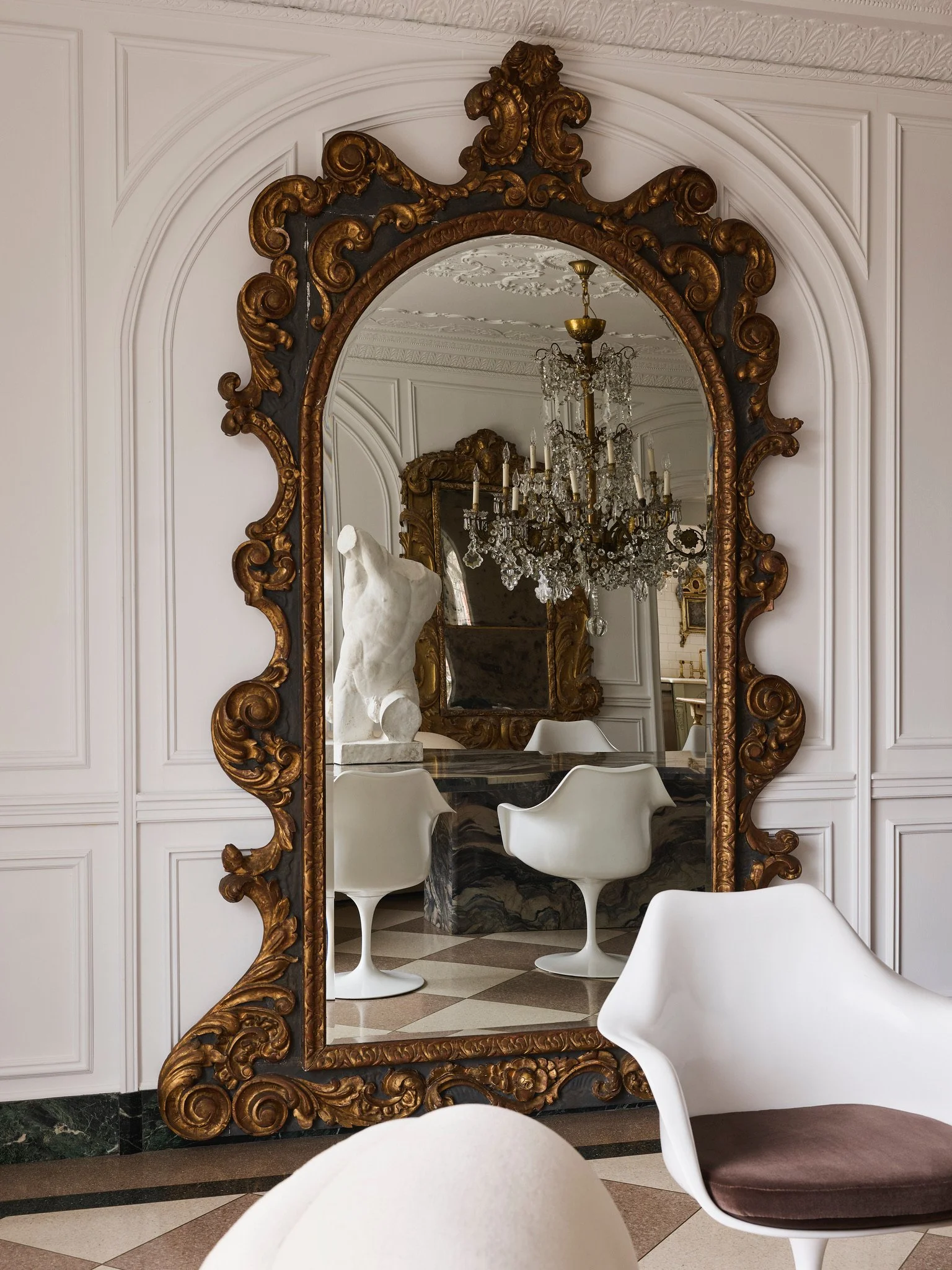
Her sourcing process follows instinct rather than lists. She allows the right pieces to find her. She gravitates toward bold scale. Mirrors that command a wall. Chandeliers that anchor a ceiling. Tables that hold a room with authority. When the architecture can carry it, she follows that energy.
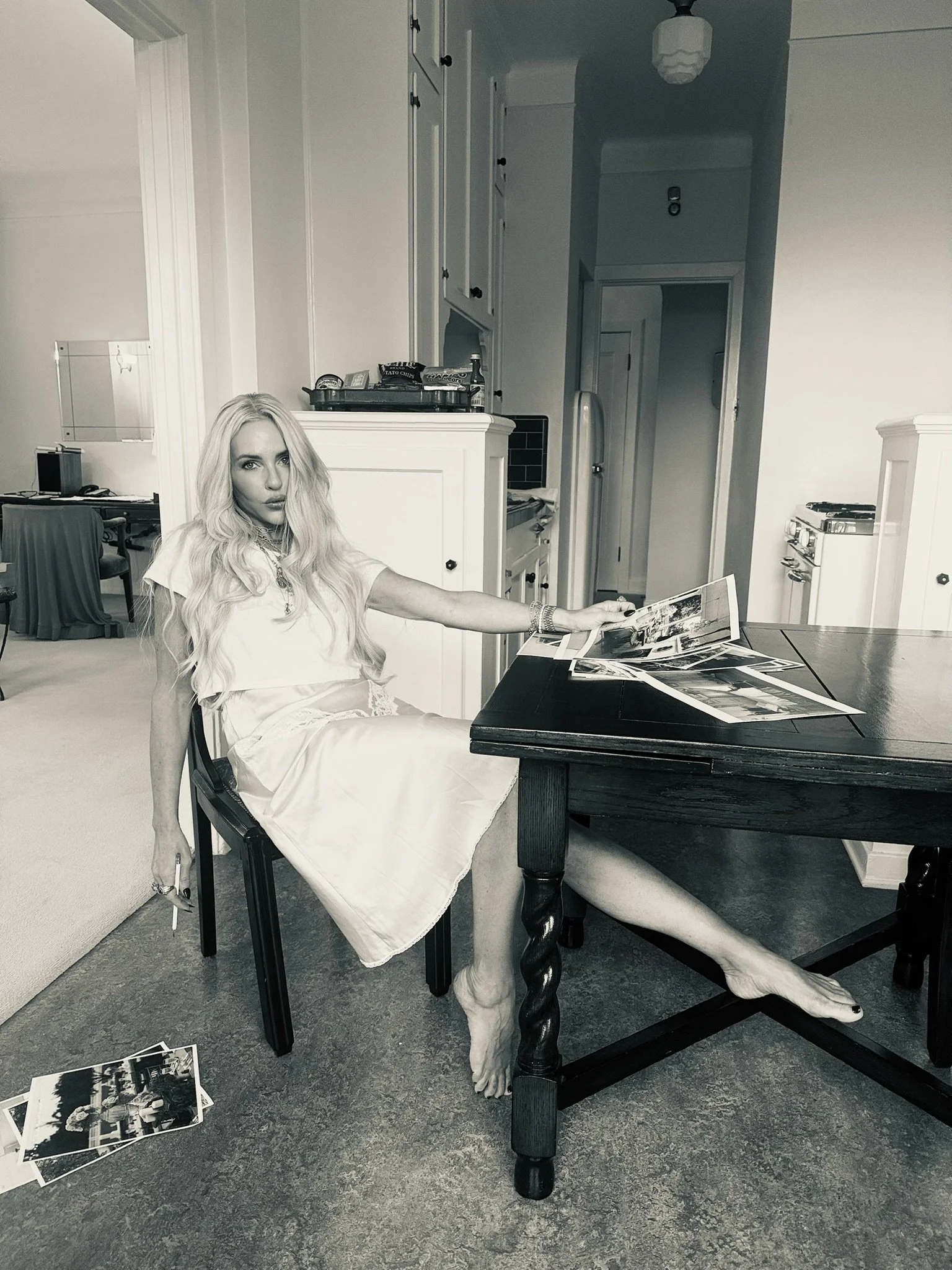
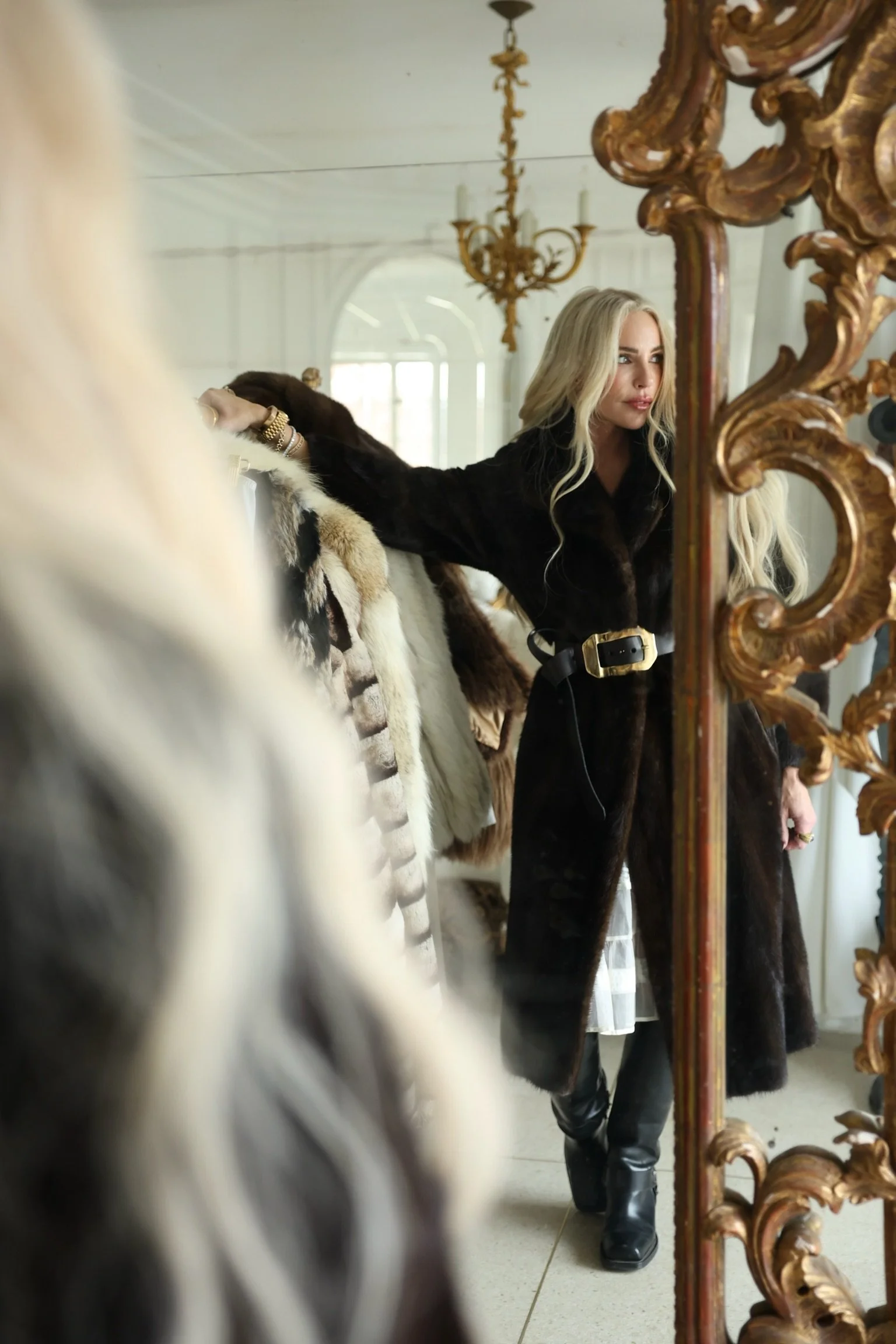
Her personal world blends seamlessly into her creative one. “My personal spaces, my fashion choices, and my entire lifestyle are completely intertwined,” she explains. She immerses herself in each project almost the way an actor inhabits a role. Her wardrobe shifts. Her habits shift. She finds herself living inside the atmosphere she is creating. That embodiment is part of what gives her work such dimensionality.
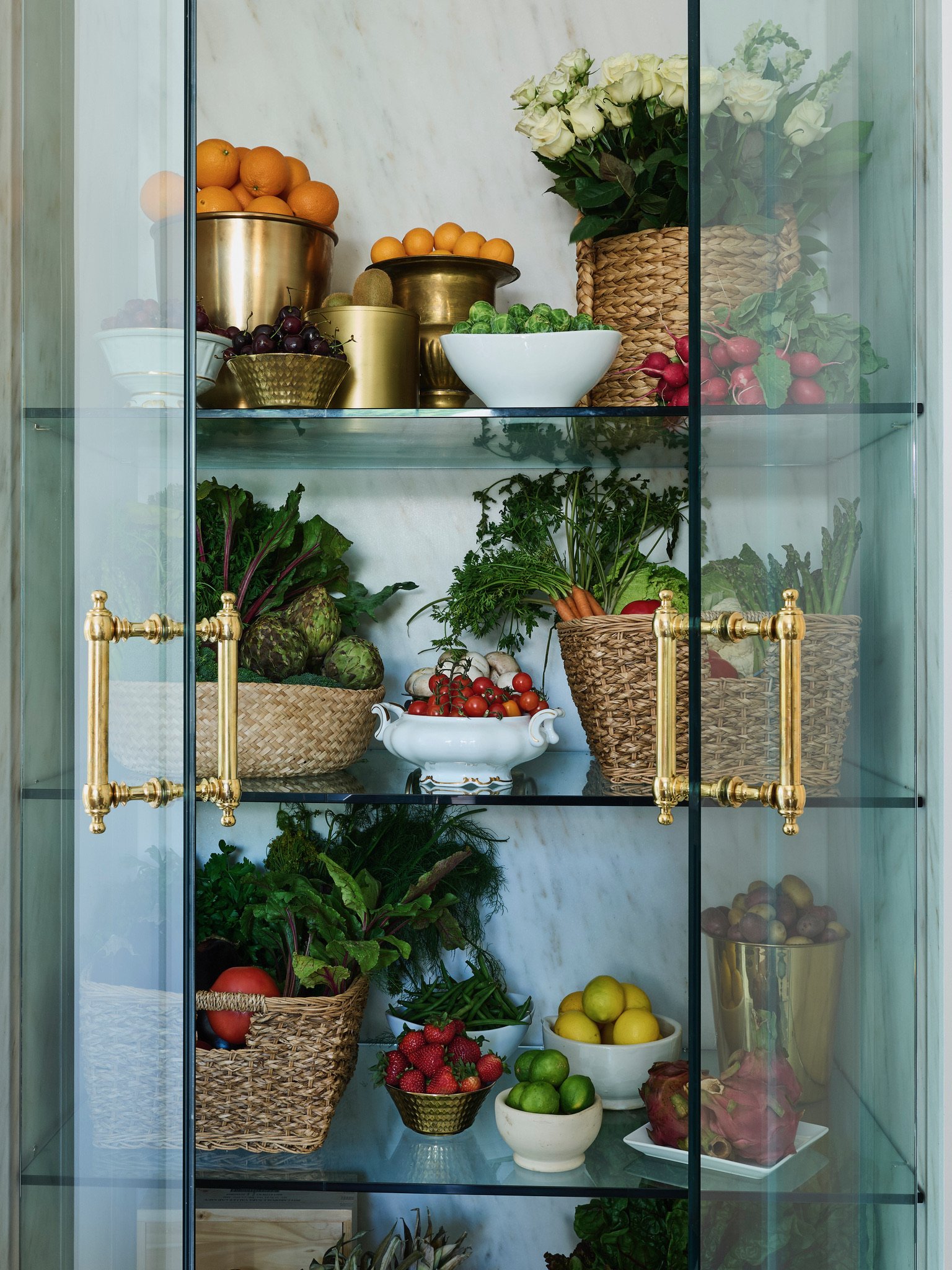
Functionality remains her north star. “Functionality in a space reigns supreme,” she says. Luxury, to her, is ease. A garden near the kitchen. A perfectly ripened tomato. A cabinet that moves the right way. A spoon with weight and history. She listens closely to the subtle, personal things her clients love and builds those details into the design.
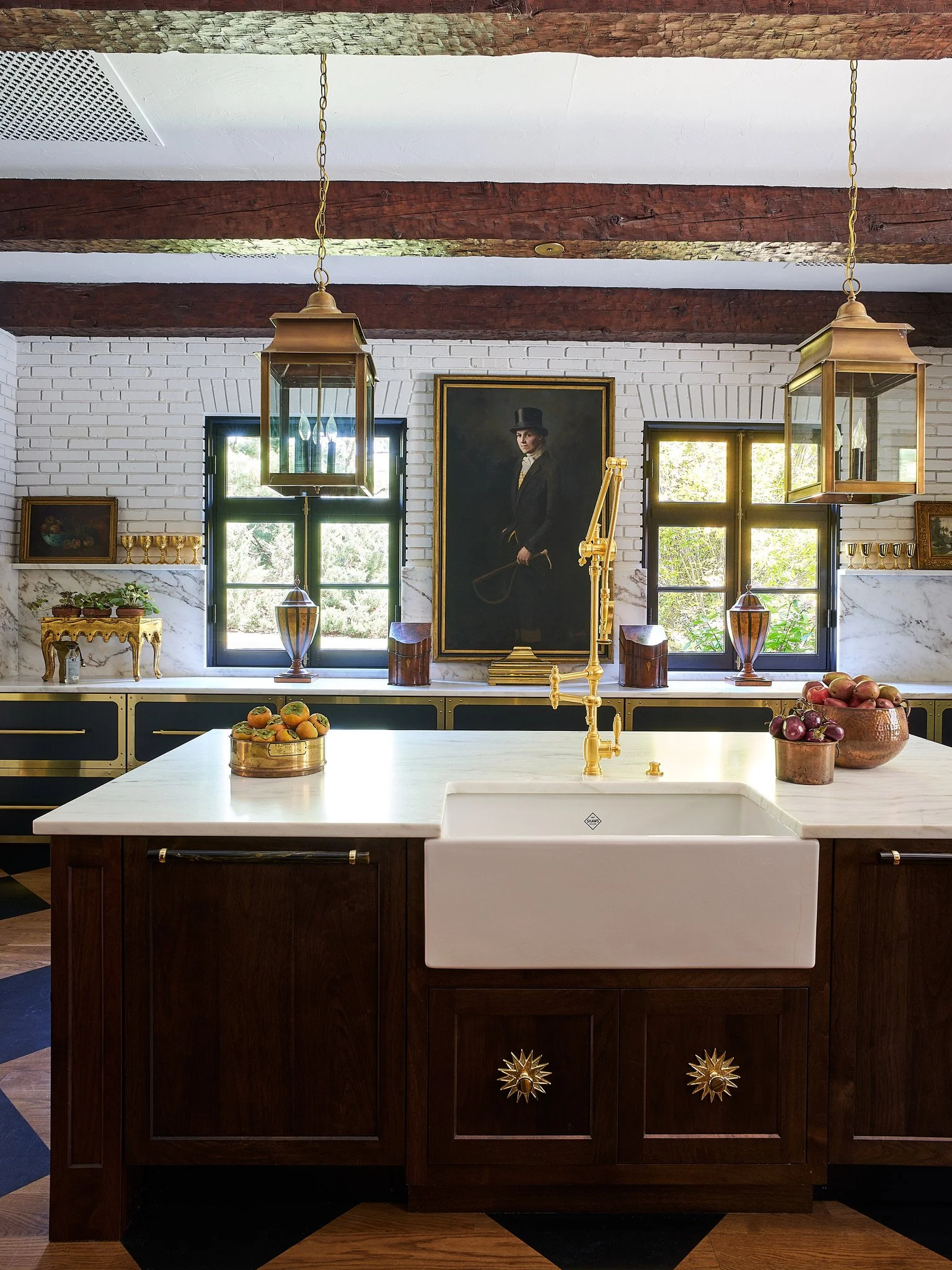
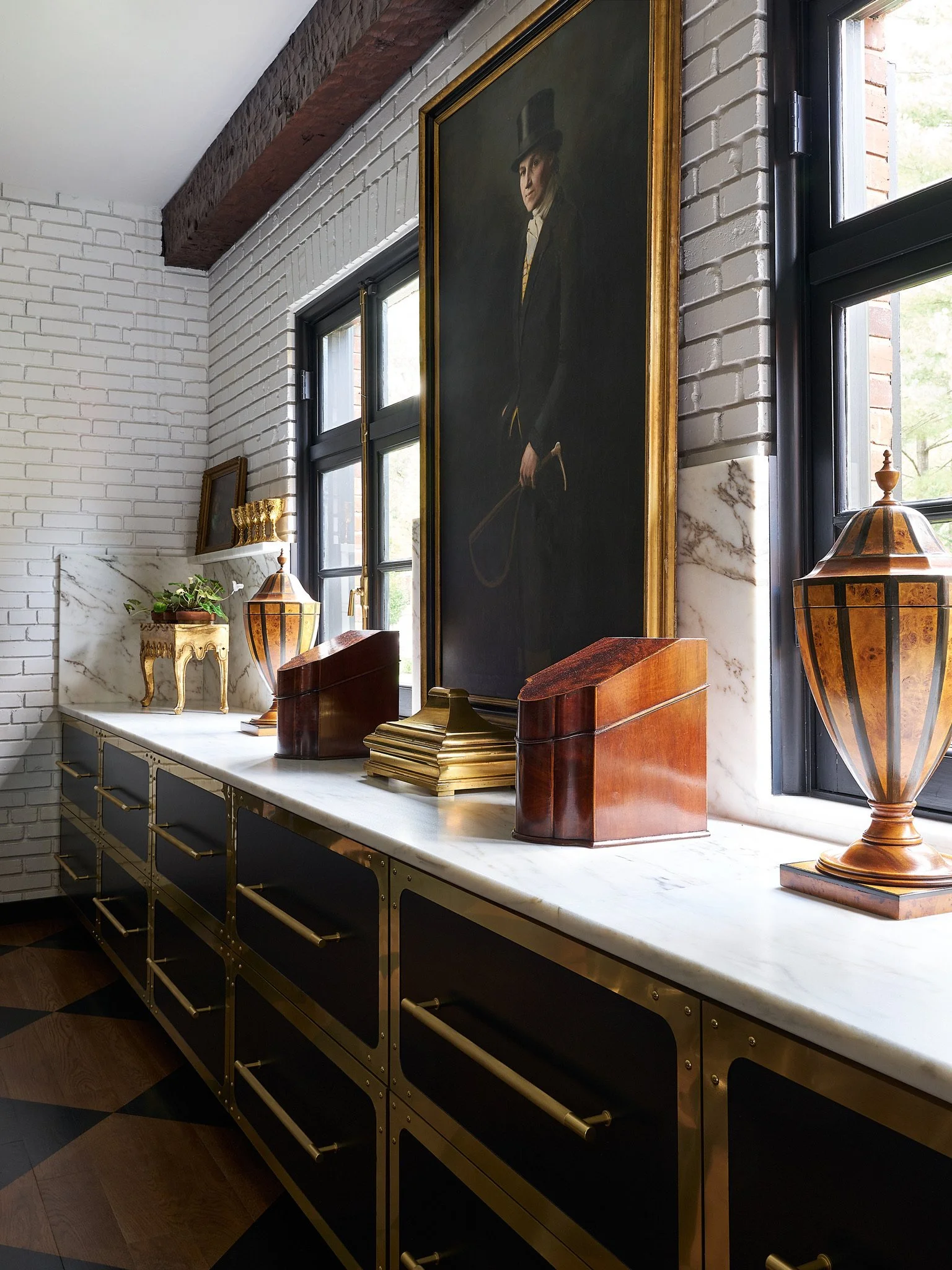
Her sensitivity to architectural continuity is exacting. When a historic element enters a space, it must belong visually, structurally, and emotionally. Nothing is introduced without considering how it speaks to what surrounds it.
She returns often to the idea of coherence. Immersion, for her, is not about excess. It is about everything working together. Architecture, objects, materials, and daily rituals all contributing to a single emotional logic.
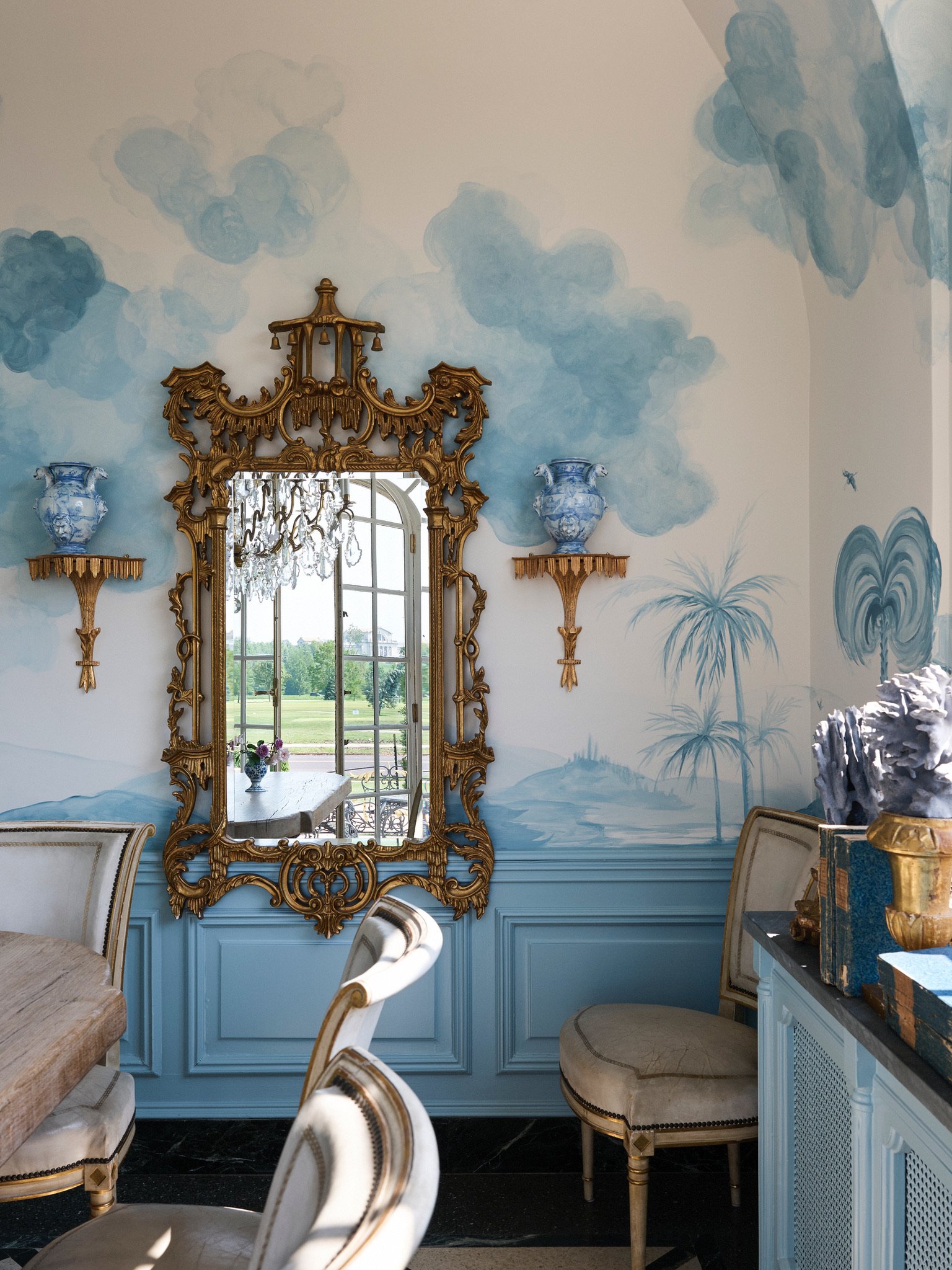
Many clients arrive with a sense of what they think they should want. Brahler has a way of helping them peel that back. She guides them toward what they genuinely respond to. The colors they gravitate toward. The textures they instinctively touch. The objects they always return to. That emotional clarity becomes the true starting point.
Her own collections reflect the life she encourages others to live. Delft Blue pieces. Antique silver. Monogrammed linens. Vintage barware. Porcelain cups. All used daily. Never displayed. Beautiful things are meant to be touched, lived with, and woven into the rhythm of a day.
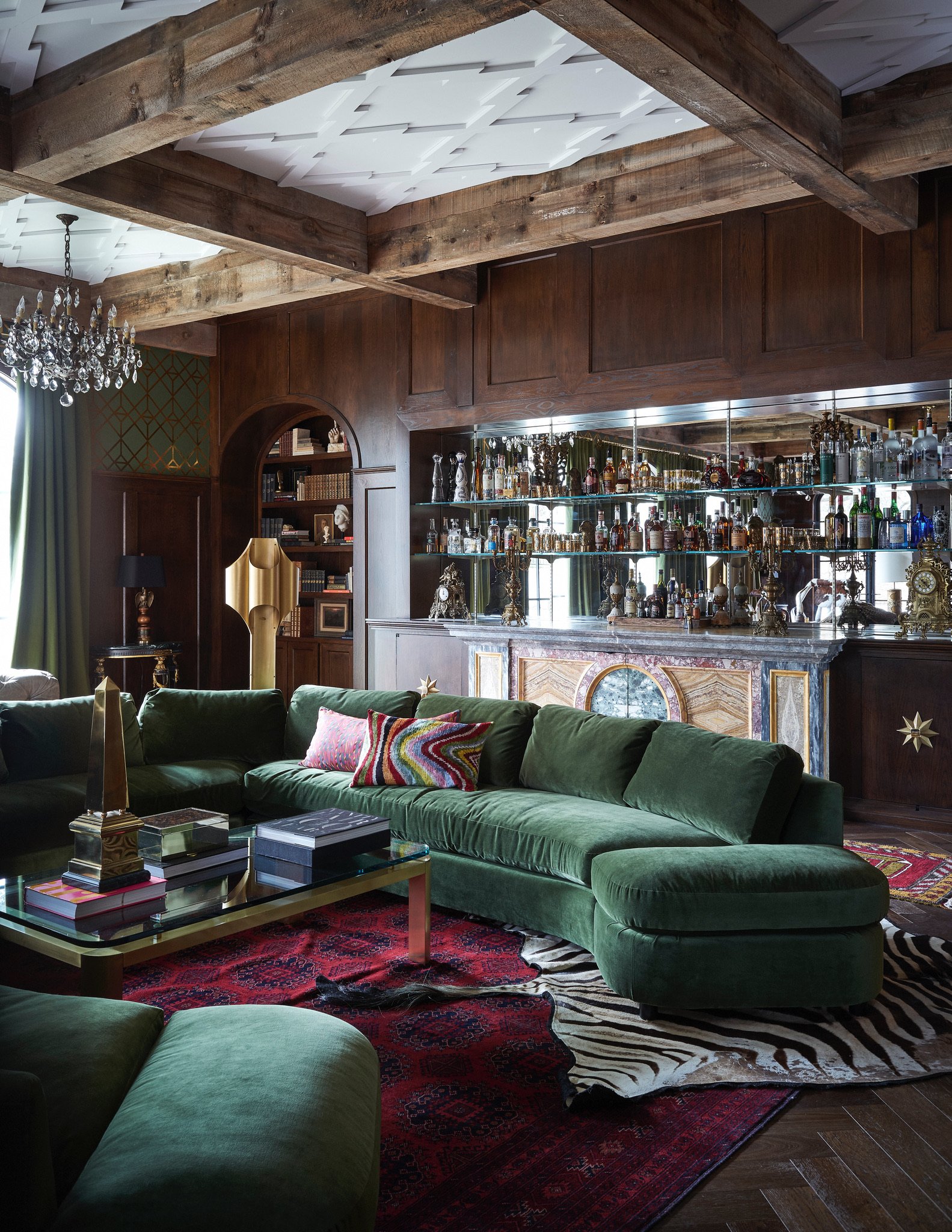
Her work exists beyond the boundaries of interior design. These are not just rooms. They are atmospheres. Worlds that feel inevitable once you step inside. Spaces shaped by instinct, culture, memory, and a deep understanding of how people live.
Annie Brahler’s artistry is not defined by the objects she selects, but by the coherence she creates. The emotional logic. The sensory richness. The lived beauty that emerges when someone listens carefully to a home before creating within it.
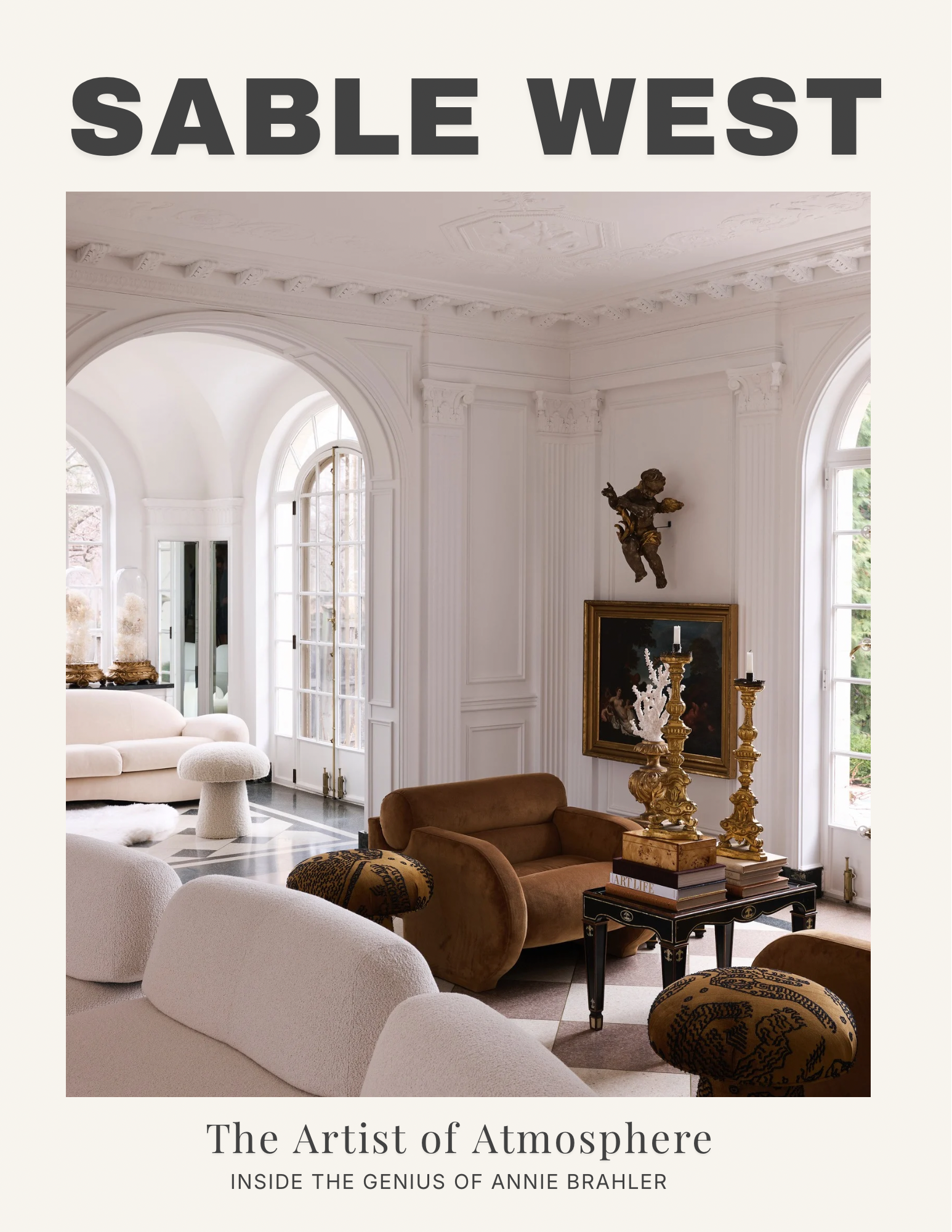
Cover photography by Leah Johnson, with interior photography by Björn Wallander.